Why Is My Matcha Bitter? Signs Your Matcha Isn’t Fresh
Key Takeaways
- Bitter matcha is almost always a sign of quality or freshness issues — properly made ceremonial grade matcha should taste smooth and naturally sweet.
- Common causes of bitterness include using water that's too hot, using culinary grade matcha for drinking, or matcha that has oxidized from poor storage.
- Store matcha in an airtight container, away from light and heat, and ideally use it within 1–2 months of opening for best flavor.
- If your matcha tastes bitter despite proper preparation, the quality of the matcha itself is likely the issue — not your technique.
It’s one of the most common disappointments in the world of wellness: you buy a tin of ceremonial grade matcha, whisk it with care, and instead of a vibrant, creamy ritual, you get a cup that tastes grassy, overly bitter, or flat.
If your matcha is yellow, brown, or harsh on the palate, the truth may be simple: your matcha is no longer fresh.
In this guide, we’re using the Emerald Audit to explain why matcha loses its vibrancy, how to tell if your matcha has gone stale, and how to make sure your next cup actually tastes like ceremonial grade matcha should.
Quick Answer: How can you tell if matcha has gone bad?
If your matcha looks dull instead of vivid green, smells flat, or tastes aggressively bitter, it may be stale or improperly stored. Fresh ceremonial grade matcha should look emerald green, smell fresh and grassy-sweet, and taste smooth with a soft umami finish.
1. The Color Test: Why is my matcha yellow or brown?
One of the easiest ways to judge matcha quality is by its color.
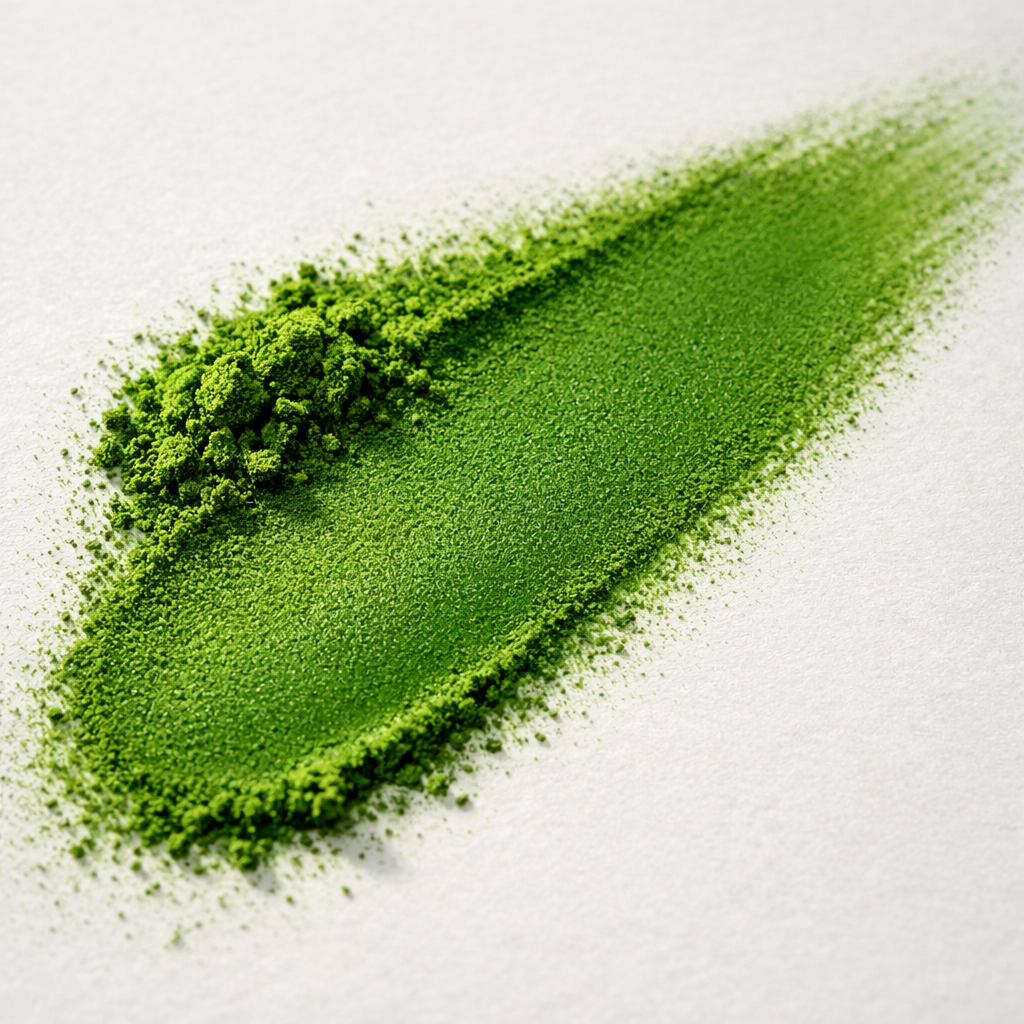
Fresh matcha should be a vibrant emerald green. If the powder looks yellowish, brownish, or muted olive, it may have been exposed to too much heat, light, or oxygen during storage or transport.
Matcha does not spoil like milk, but it does lose freshness over time. When that happens, the powder can lose its bright appearance and the tasting experience becomes duller, flatter, and more bitter.
This is why color matters: it is often the first visible sign that your matcha is no longer at its best.
The Nippon Standard: Our leaves are stone-ground in small batches in Uji, Kyoto, then sealed in airtight, light-protective tins to help preserve freshness, aroma, and color. If it isn’t emerald, it isn’t Nippon.
2. Why does my matcha taste bitter?
The number one reason many people think they dislike matcha is not always the tea itself. Often, it is the brewing method.
Boiling water is one of the fastest ways to ruin a good matcha.
When water is too hot, it can overwhelm the delicate flavor profile of ceremonial grade matcha and pull out harsher, more astringent notes. Instead of tasting smooth and rounded, the cup becomes sharp, bitter, and unpleasant.
What temperature should matcha water be?
The ideal water temperature for ceremonial grade matcha is around 175°F (80°C).
- Best range: 160–175°F (70–80°C)
- Avoid: boiling water at 212°F (100°C)
Pro tip: If you do not have a temperature-controlled kettle, let boiling water rest for about 2 minutes before using it. That small change can make a major difference in flavor.
3. Does matcha go bad after opening?
Yes—once opened, matcha begins to lose freshness gradually over time.
While an unopened tin can stay fresh for much longer when stored properly, an opened tin is best enjoyed sooner rather than later. For the best color, aroma, and taste, many people aim to finish ceremonial grade matcha within 30 to 60 days after opening.
This does not mean it suddenly becomes unusable on day 61. It simply means the matcha is most likely to deliver its best sensory experience within that freshness window.
How to store matcha properly
If you want your matcha to stay greener, smoother, and fresher for longer, storage matters.
- Keep it sealed: Always close the tin tightly after each use to reduce oxygen exposure.
- Protect it from light: Store it away from direct sunlight and warm surfaces.
- Keep it cool: After opening, many people prefer storing matcha in the refrigerator to help preserve freshness.
- Avoid moisture: Let the tin come to room temperature before opening if stored cold, to reduce condensation.
For your 3.53 oz (100g) tin, proper storage helps preserve the flavor profile and keeps each serving closer to the intended ceremonial experience.
What does fresh ceremonial grade matcha taste like?
Fresh ceremonial grade matcha should not taste aggressively bitter.
Instead, it should taste:
- smooth
- softly vegetal
- lightly sweet
- creamy when whisked well
- rounded with a gentle umami finish
If your cup tastes harsh, puckering, or muddy, the issue may be one of three things: staleness, low quality, or water that is too hot.
The Emerald Audit Checklist
Ask these four questions before blaming matcha itself:
- Is the powder emerald green?
- Does it smell fresh and lively?
- Are you using water around 175°F (80°C)?
- Was the tin opened within the last 30 to 60 days?
If the answer is “no” to one or more of the above, your matcha may be failing the Emerald Audit.
The Verdict
Matcha is a delicate botanical, and freshness changes everything.
If your morning ritual has started tasting bitter, looking dull, or feeling disappointing, it may be time for an audit. You deserve the emerald color, creamy texture, and smooth ceremonial experience that fresh, stone-ground Uji matcha is known for.
Is your current tin failing the Emerald Audit?
Frequently Asked Questions
Why is my matcha yellow instead of green?
If matcha looks yellow or brown instead of bright green, it may have lost freshness due to exposure to heat, light, or oxygen. Fresh ceremonial grade matcha should look vivid green.
Why does my matcha taste so bitter?
Matcha can taste bitter if the quality is low, the powder is stale, or the water is too hot. Ceremonial grade matcha is best prepared with water around 175°F (80°C).
Does matcha expire after opening?
Opened matcha gradually loses freshness over time. For the best taste, color, and aroma, it is often best enjoyed within 30 to 60 days after opening.
Should matcha be stored in the fridge?
After opening, many people store matcha in the refrigerator to help preserve freshness. The tin should stay tightly sealed and be protected from moisture.
What color should ceremonial grade matcha be?
Ceremonial grade matcha should typically be a vibrant emerald green, not dull, yellow, or brown.
Ready to Taste the Difference?
Nippon Matcha is first-harvest, stone-ground ceremonial-grade matcha from Uji, Kyoto. USDA Organic and lab tested for purity. Try it today →
*These statements have not been evaluated by the Food and Drug Administration. This product is not intended to diagnose, treat, cure, or prevent any disease. Consult your healthcare provider before starting any supplement regimen.

Written by Nippon Matcha