

Matcha Origins: History, Craft, and the Soul of Uji Matcha
Key Takeaways
- Matcha originated in China during the Tang Dynasty but was perfected in Japan, where Zen Buddhist monks elevated it into a meditative practice.
- The Japanese tea ceremony (chanoyu) transformed matcha from a simple beverage into a cultural art form centered on mindfulness and presence.
- Modern matcha production in Uji follows techniques refined over centuries, including precise shade-growing and granite stone-milling.
- Understanding matcha's history helps appreciate why quality, origin, and preparation method matter so much to the final experience.
Matcha is more than a vibrant green powder; it is a bridge between history and the modern search for clarity. At Nippon Matcha, we believe that understanding where your tea comes from changes how you experience it.
Quick Answer: Where does matcha come from?
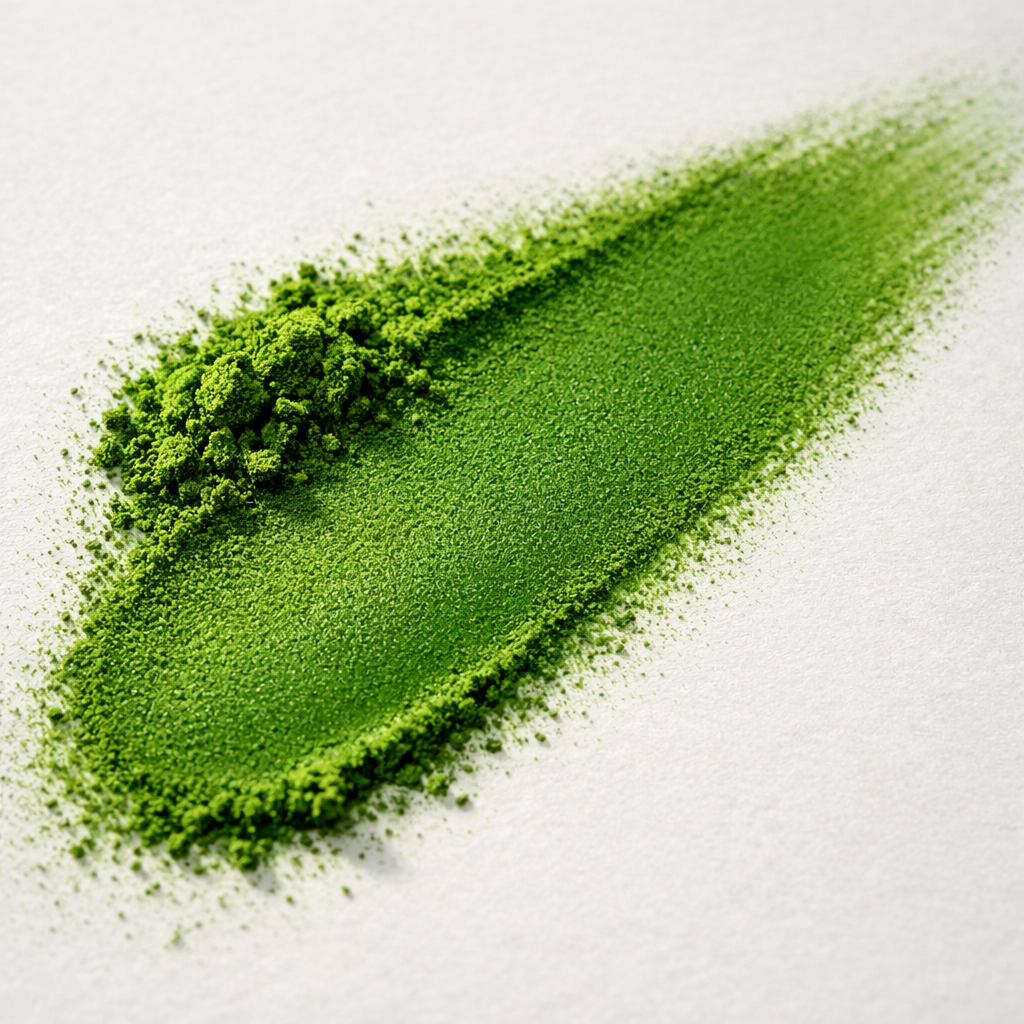
Matcha comes from shade-grown tea leaves that are steamed, dried into tencha, and stone-ground into a fine powder. While tea culture began in China, matcha developed into its most iconic form in Japan, with Uji, Kyoto becoming one of the country’s most respected tea regions.
The Sacred Roots: From Temples to Uji
Tea culture began in China, but it took on a distinct identity in Japan after the monk Eisai brought tea seeds and tea knowledge back from China in the late 12th century. He did not only introduce a plant—he helped introduce a philosophy, promoting tea as a remedy for health and clarity of mind.
Over time, Uji, Kyoto became one of Japan’s most revered homes for high-grade tea. Its climate, riverside geography, and long cultivation history helped establish Uji tea as a benchmark for quality—especially for shaded teas like tencha, the raw material used to make matcha.
What Makes Uji Matcha Special?
Uji is closely associated with some of Japan’s most respected tea traditions. Its long cultivation history, combined with favorable growing conditions and careful craftsmanship, helped make the region synonymous with refined tea quality.
For matcha in particular, Uji is known for shaded tea production, meticulous processing, and a flavor profile often described as smoother, more balanced, and more elegant. That regional reputation is part of why Uji matcha carries such enduring prestige.
The Art of Patience: How Real Matcha Is Made
The difference between ordinary green tea powder and true ceremonial-grade matcha lies in the growing and processing method.
- The Shade (Tana): In the weeks before harvest, tea fields are shaded to reduce sunlight. This encourages deeper green leaves and helps shape the smooth, umami-rich character associated with matcha.
- The Harvest: For high-quality matcha, the youngest and most tender spring leaves are selected for tencha.
- The Steam and Dry: The leaves are quickly steamed to prevent oxidation, then dried without rolling to become tencha.
- The Stone Grind: This final step is deliberately slow. Traditional granite mills typically produce only around 30 grams per hour, helping limit heat build-up and preserve the tea’s delicate aroma, color, and texture.
More Than a Drink: The Meaning of the Moment
In Japanese tea culture, there is a well-known idea: ichigo ichie—“one time, one encounter.” It is a reminder that this exact moment, and this exact bowl of tea, will never happen in quite the same way again.
When you whisk a bowl of Nippon Matcha, you are not simply making a drink. You are stepping into a ritual shaped by centuries of patience, craft, and attention. The result is a form of energy that feels steady rather than frantic, vivid rather than rushed.
That is the soul of matcha: not only what it tastes like, but how it asks you to arrive fully for the moment in front of you.
Frequently Asked Questions
Where did matcha originate?
Matcha traces its roots to earlier tea practices from China, but it developed into its most recognized cultural form in Japan through Japanese tea traditions.
What is tencha?
Tencha is the processed leaf used to make matcha. The leaves are steamed, dried without rolling, and then ground into a fine powder.
Why is Uji matcha so famous?
Uji is one of Japan’s most historic and respected tea regions, known for high-quality shaded teas and a long tradition of careful cultivation and processing.
How is ceremonial-grade matcha made?
Ceremonial-grade matcha is made from shade-grown tea leaves that are harvested, steamed, dried into tencha, and slowly stone-ground into a fine powder.
Is matcha the same as green tea powder?
Not exactly. Matcha is a specific type of powdered green tea made through a specialized shading, processing, and grinding method.
Ready to Taste the Difference?
Nippon Matcha is first-harvest, stone-ground ceremonial-grade matcha from Uji, Kyoto. USDA Organic and lab tested for purity. Try it today →
*These statements have not been evaluated by the Food and Drug Administration. This product is not intended to diagnose, treat, cure, or prevent any disease. Consult your healthcare provider before starting any supplement regimen.

Written by Nippon Matcha

%20t...)