
Matcha 101
The Basics
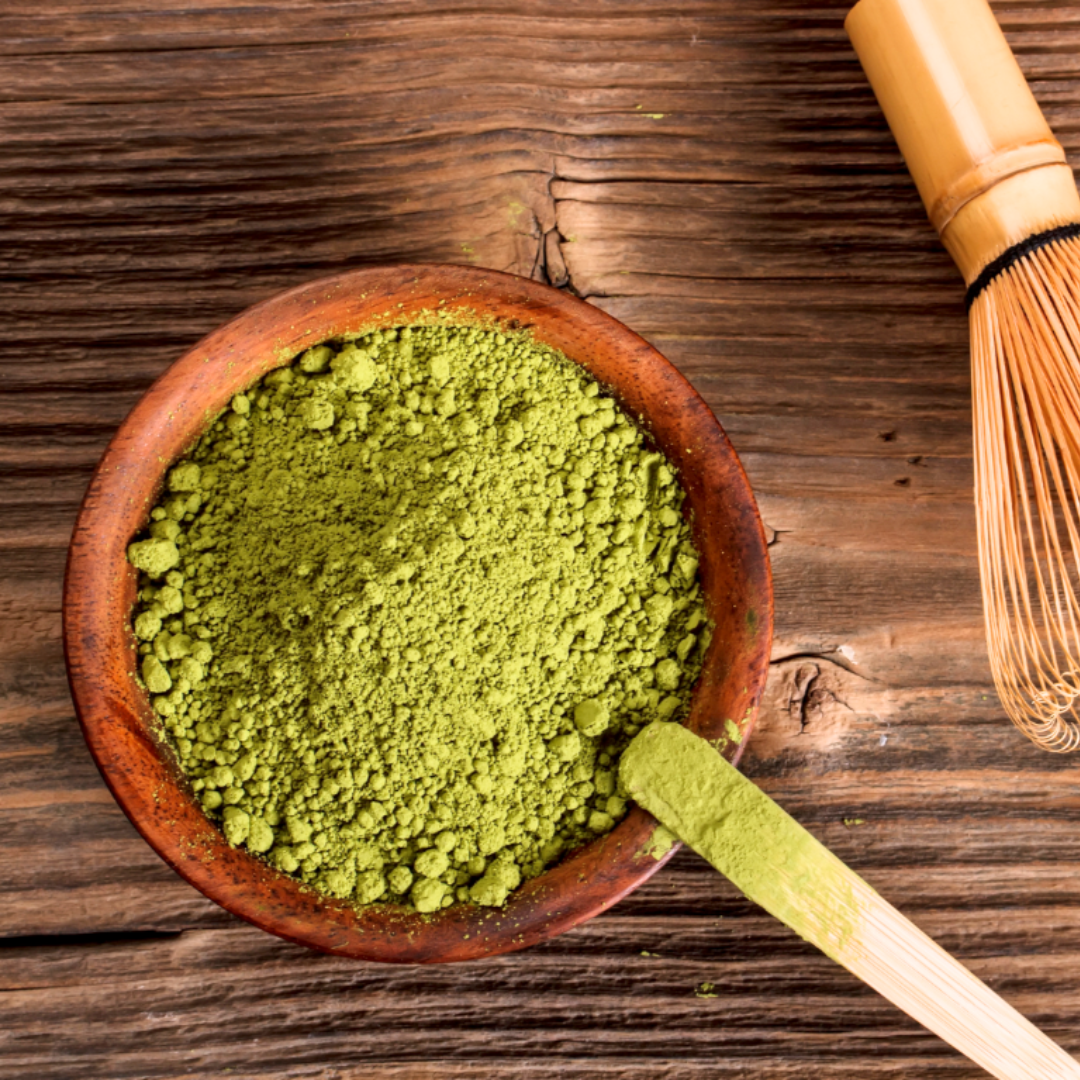
What Is Matcha?
Matcha is finely ground green tea made from shade-grown leaves, traditionally whisked and sipped in Japanese tea ceremonies. Unlike steeped tea, you consume the entire leaf, meaning richer flavor, nutrients, and sustained energy.
The Differences
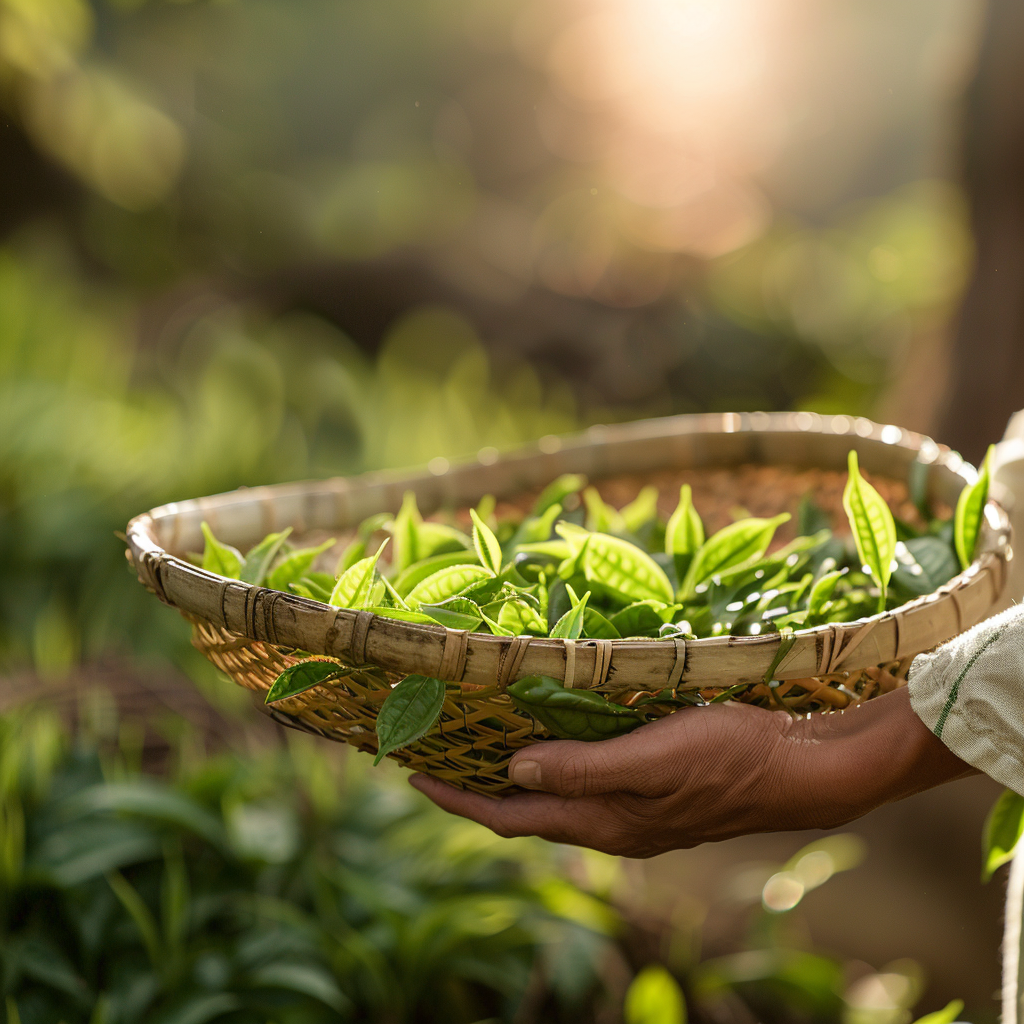
Organic vs. conventional matcha
Organic matcha is grown naturally without synthetic chemicals, giving it a cleaner profile and gentler flavor, while conventional matcha uses modern farming methods for a brighter color and sweeter taste, though it may carry traces of chemical residue.
Types of Matcha
Ceremonial & Culinary Matcha
Ceremonial matcha is made from the youngest tea leaves, giving it a smooth, sweet flavor ideal for drinking plain.
Culinary matcha uses older leaves, offering a bolder taste better suited for lattes, smoothies, and cooking.
Tools
What You'll Need
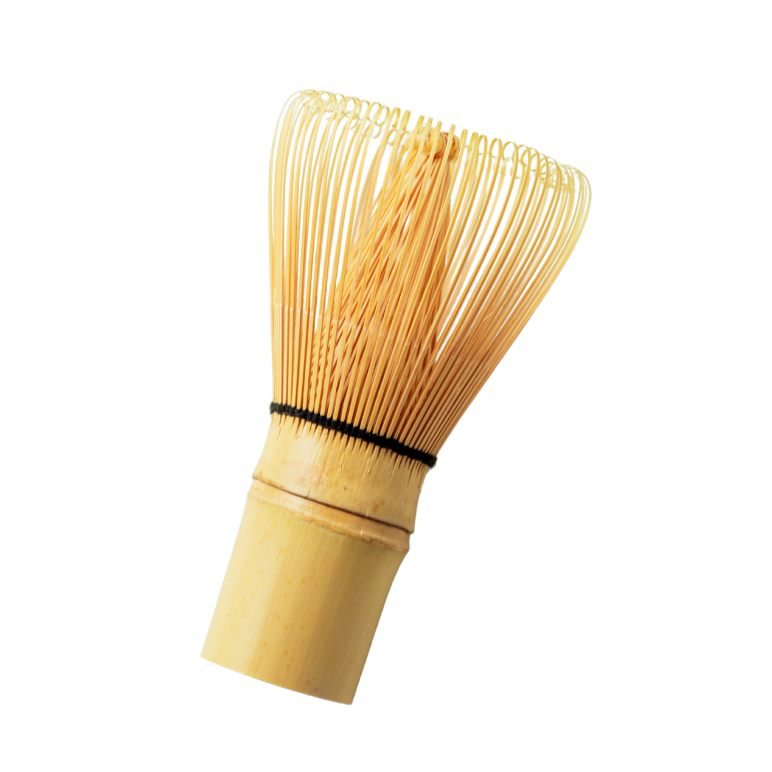
Chasen
A chasen is a handcrafted bamboo whisk designed specifically for matcha. Its fine prongs help blend the powder with water, creating a smooth, frothy texture essential for a well-balanced cup.
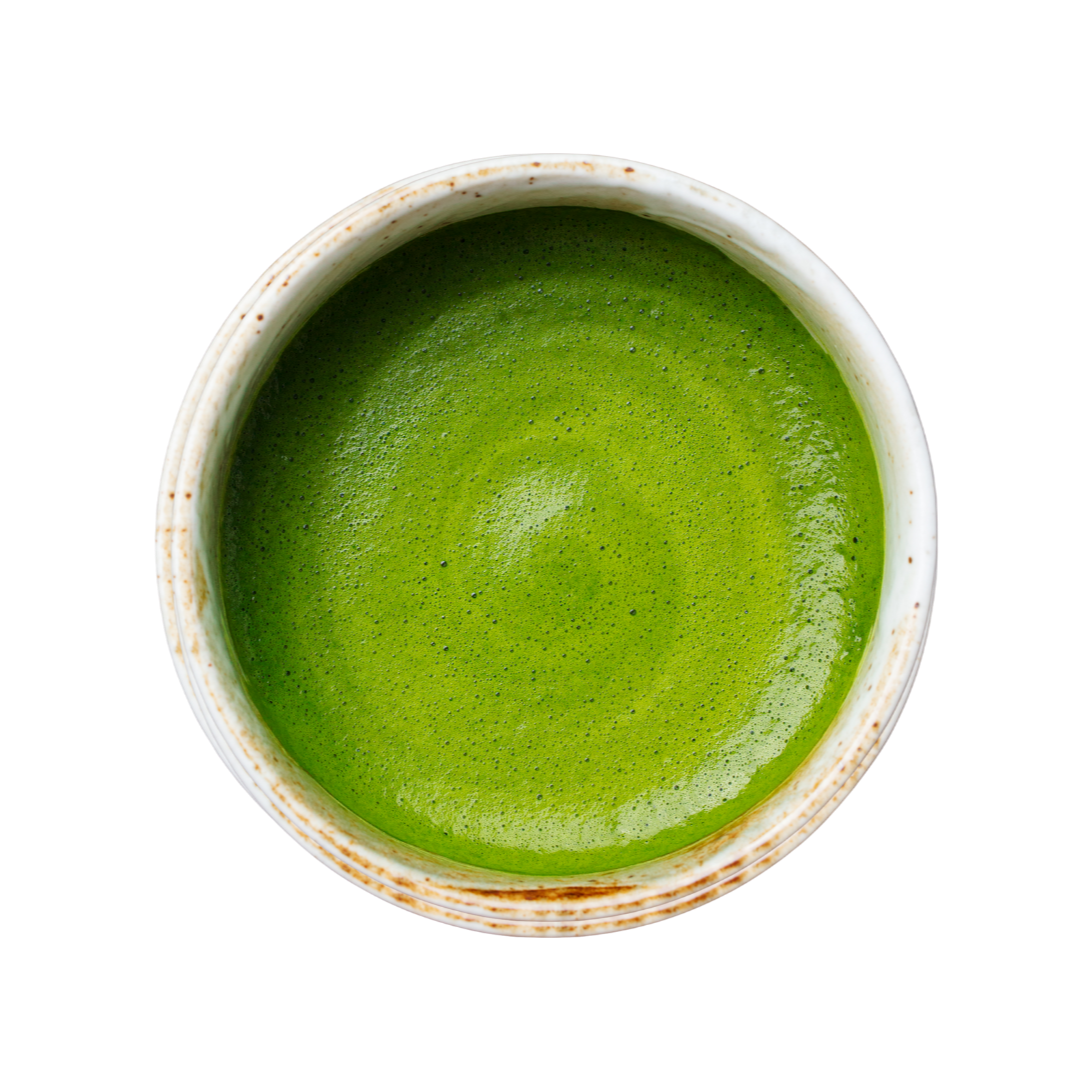
Chawan
The chawan is a wide, open tea bowl that allows space for whisking matcha properly. Its shape also enhances the sensory experience, from aroma to the warmth of the bowl in your hands.
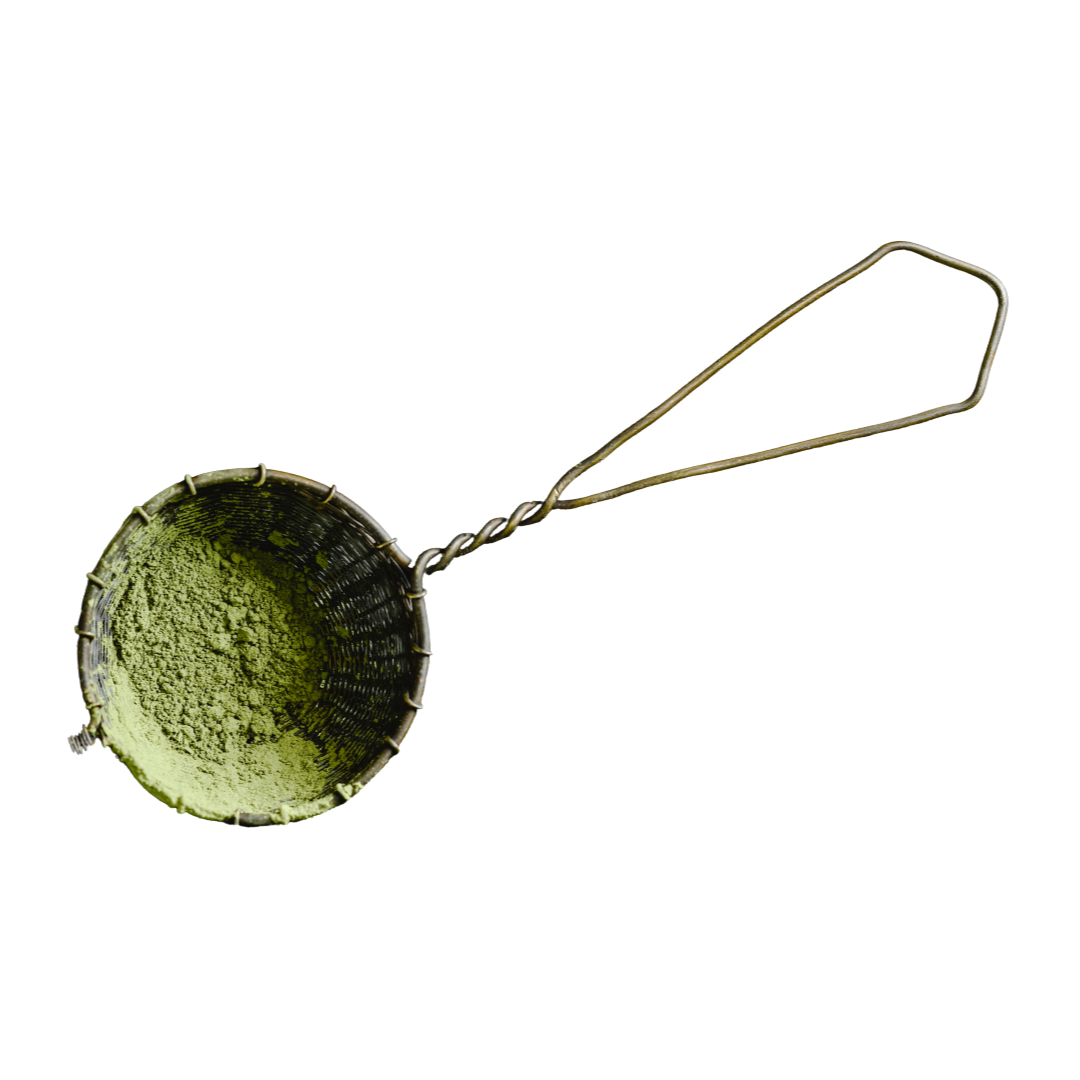
Sifter
The sifter helps to break up clumps in the matcha powder, allowing for a smoother blend and a more consistent, lump-free cup. It’s a small step that makes a noticeable difference in texture.
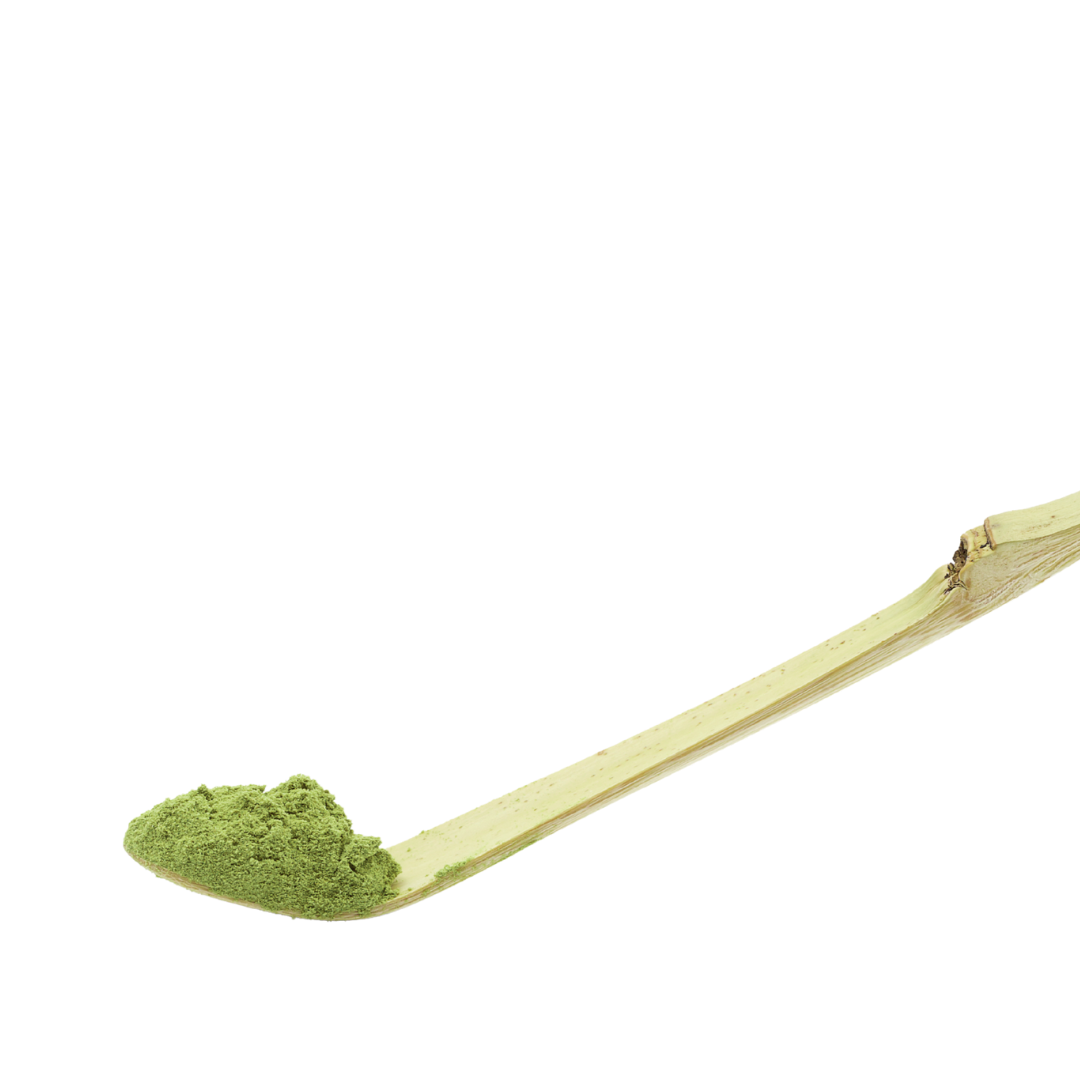
Chashaku
The chashaku is a slender bamboo scoop traditionally used to portion matcha powder. Its curved shape delivers just the right amount for a single serving—typically one to two scoops.
Preparation
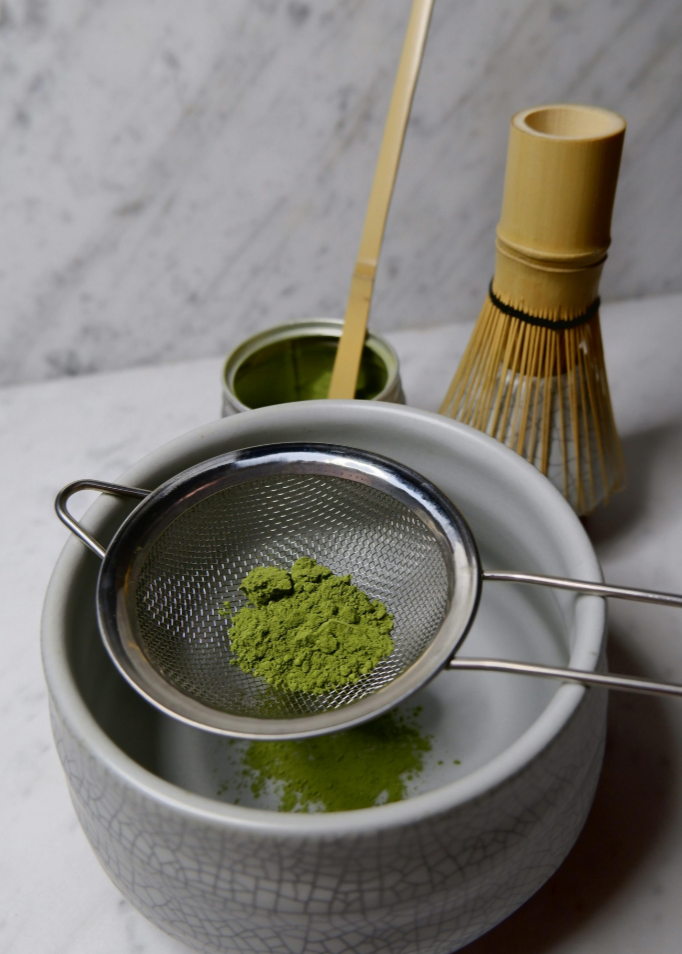
#1
Place your sifter over the chawan and pour one scoop (or 0.04-0.05 ounces) of matcha into the sifter.
#2
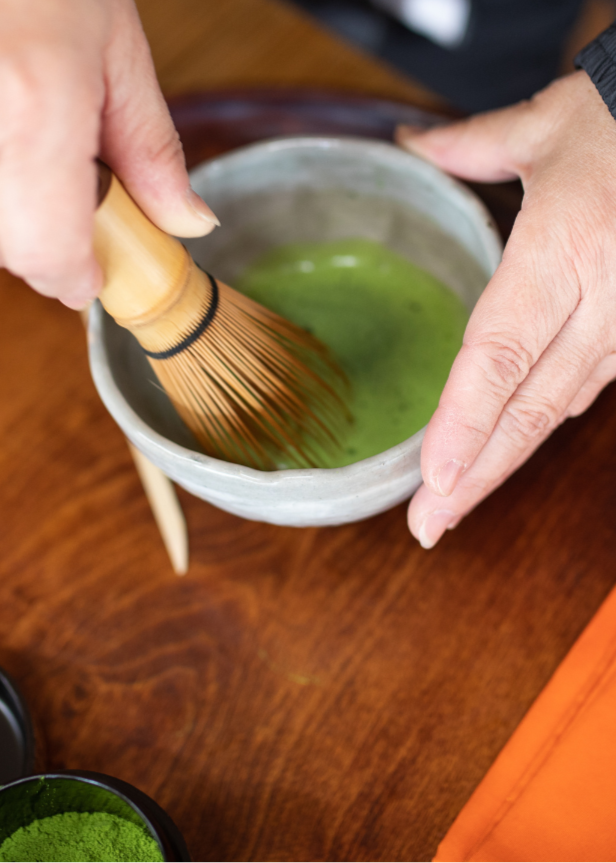
Add 70ml of hot water (approx. 167°F) to your matcha. Be careful that your water is not too hot or you will risk burning the nutrients.
#3
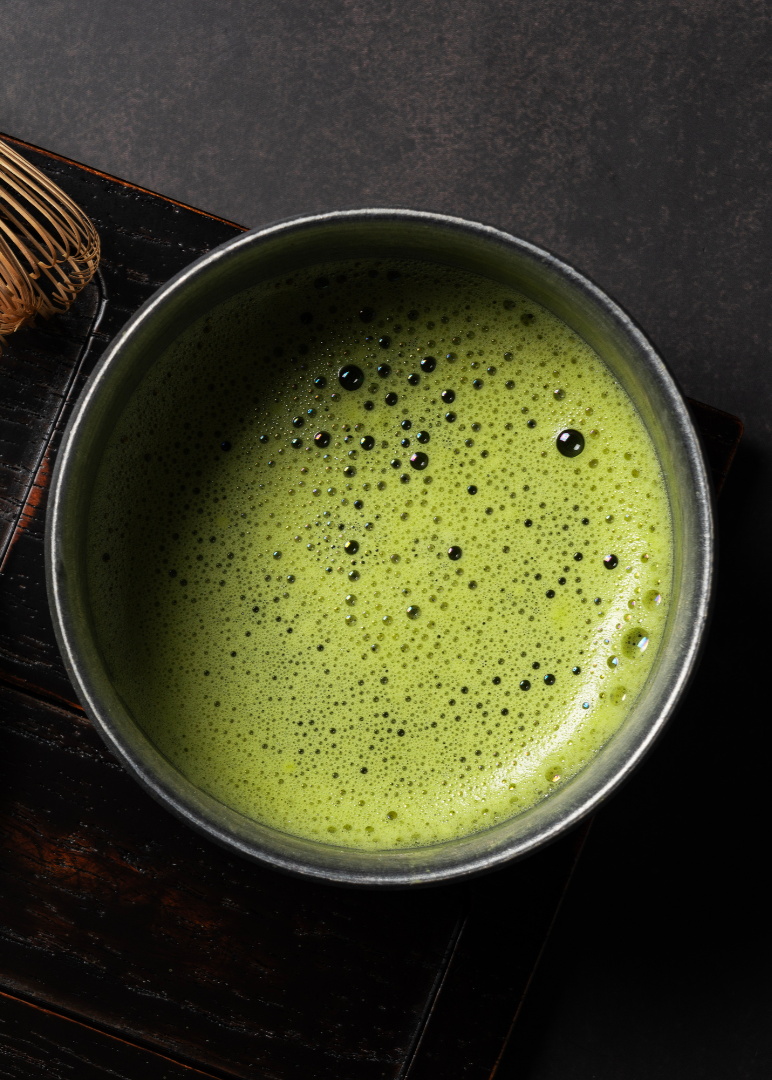
Whisk the matcha in an "M" or "W" pattern until frothy. This typically takes about 15-20 seconds if done properly.
How to Identify Quality Matcha?
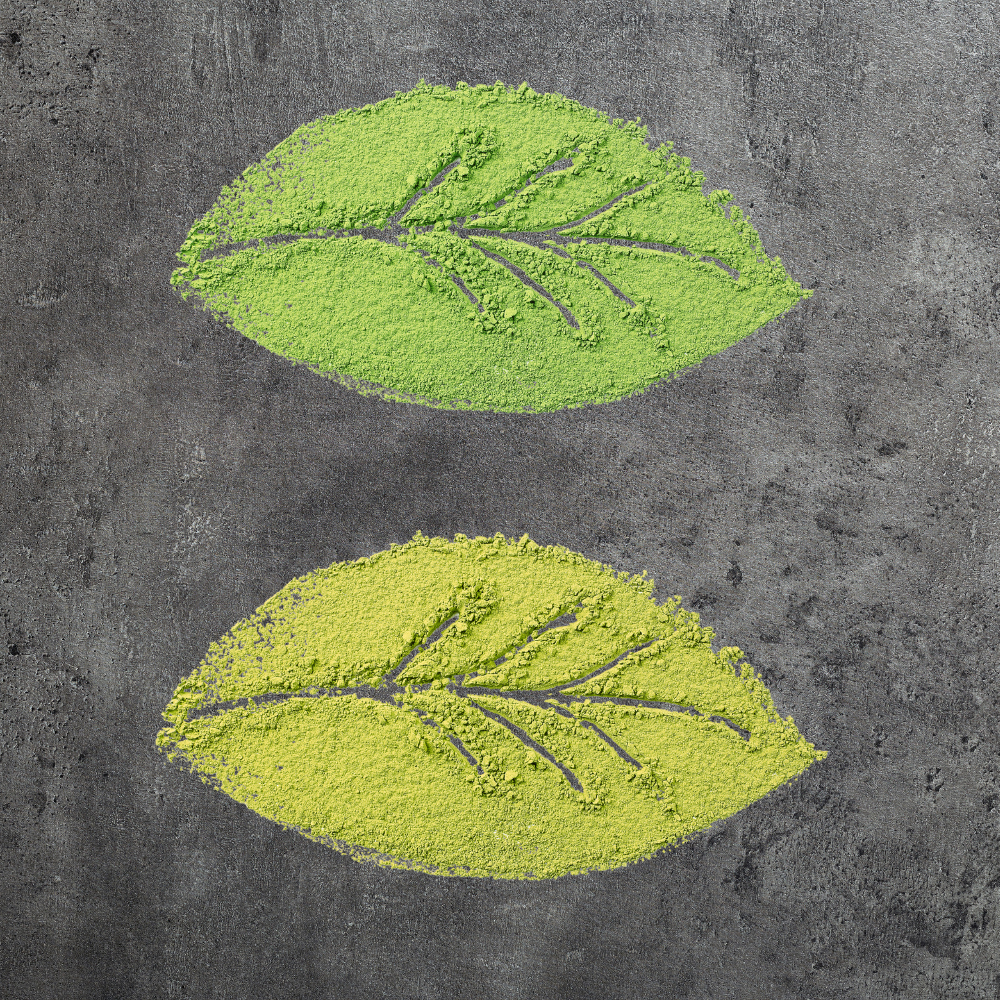
A dull-brown or yellowish color is characteristic of older, culinary-grade matcha. High quality, ceremonial-grade matcha should be bright green and vibrant.
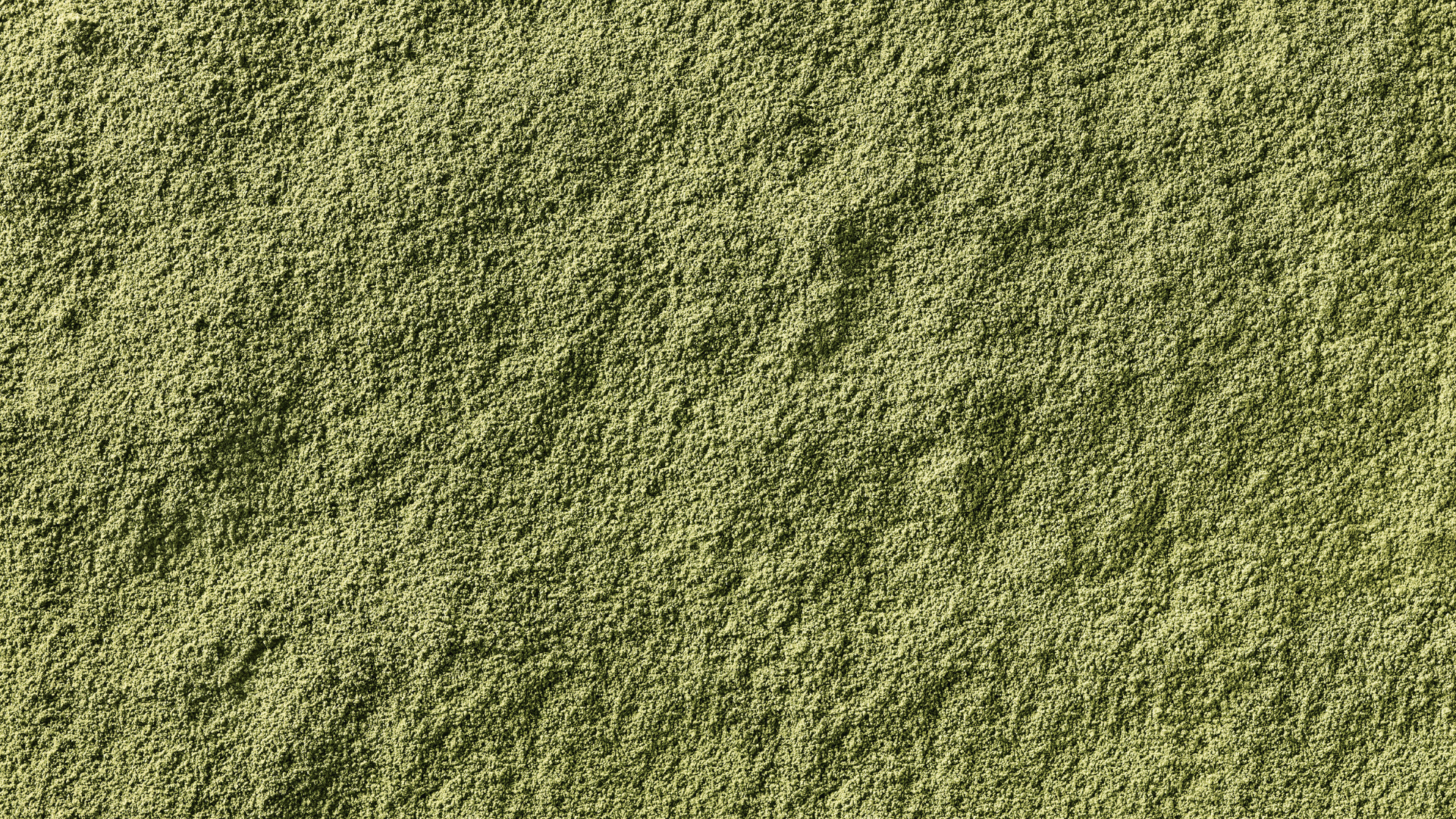
Low Grade
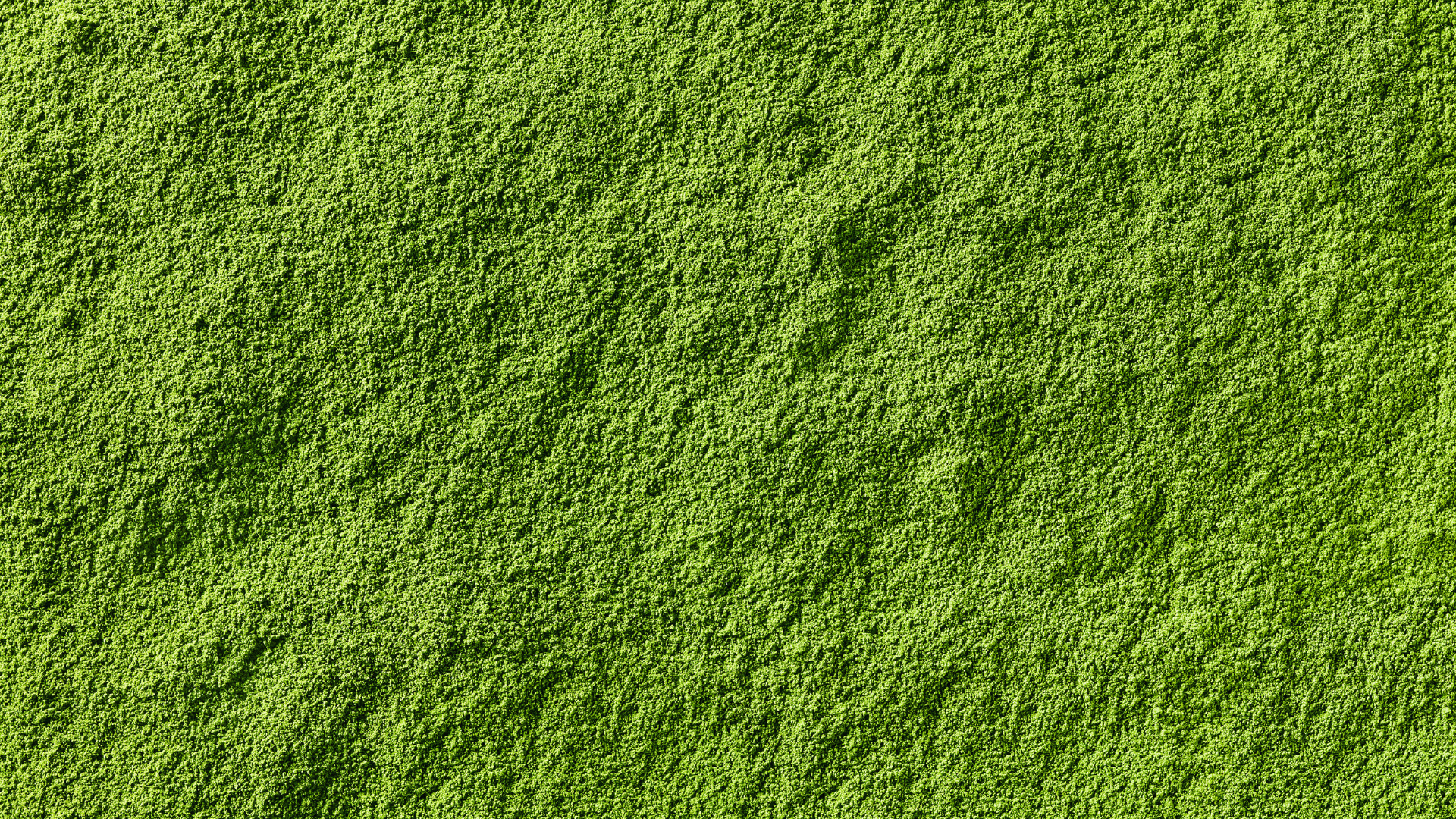
High Grade