The Benefits of Drinking Matcha
Key Takeaways
- Matcha is rich in EGCG, L-theanine, and other catechins that research suggests may support antioxidant activity, cognitive function, and metabolic health.
- Consuming the whole tea leaf in powdered form delivers significantly more beneficial compounds per serving than steeped green tea — including potassium and magnesium confirmed by recent 2025–2026 analysis.
- L-theanine promotes alpha brain wave activity, supporting a state of calm focus that pairs uniquely with matcha's natural caffeine content.
- Consistent daily matcha consumption — rather than occasional use — appears to offer the most meaningful benefits based on available research.
New to matcha? You're in the right place. This beginner-friendly guide covers what matcha actually does for your body and mind, in plain language. For a deeper dive into the clinical research, see our companion article Matcha Health Benefits: What the Science Says.
What Is Matcha, Exactly?
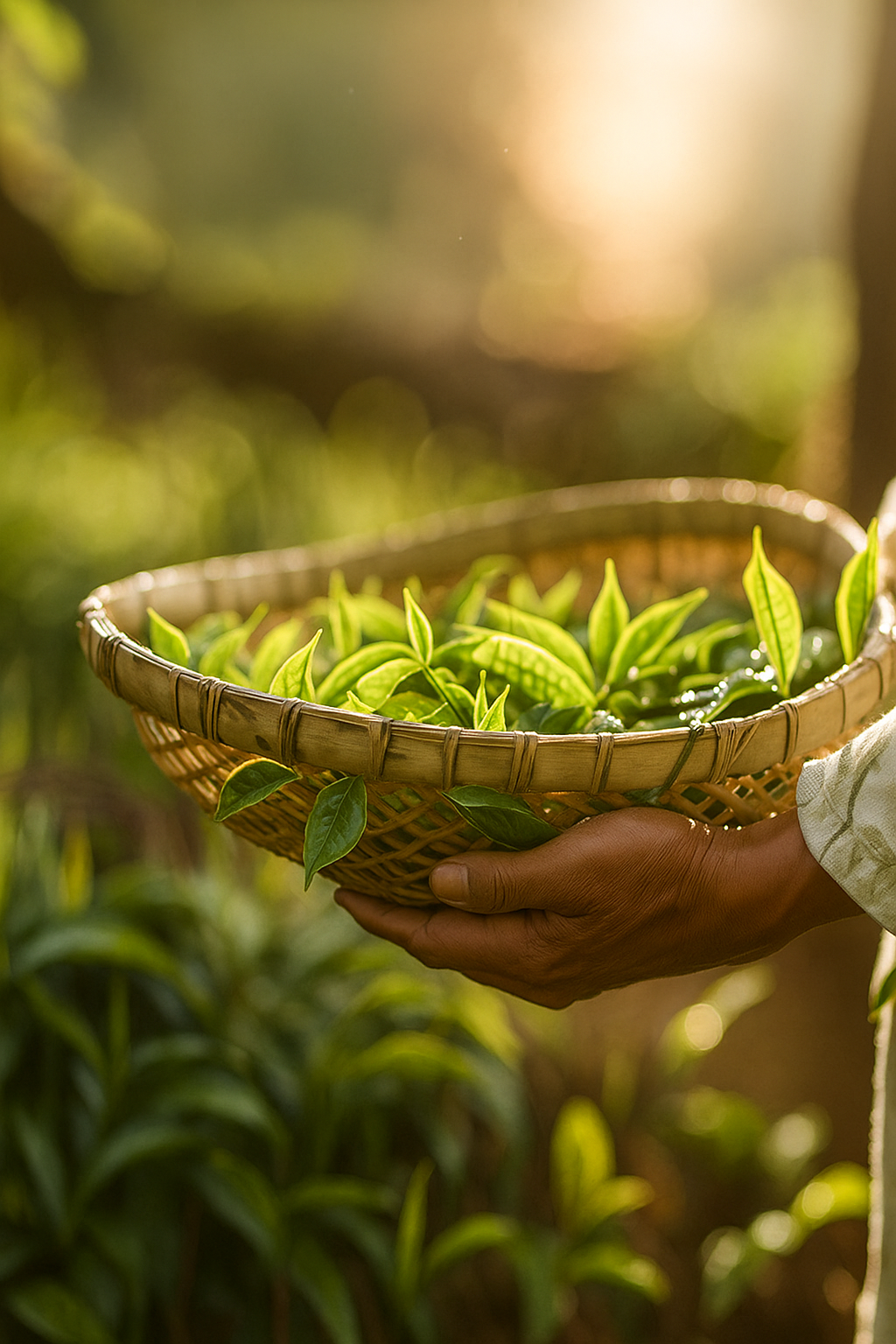
Matcha is a powdered green tea made from shade-grown tea leaves that are stone-ground into a fine powder. Unlike regular green tea where you steep the leaves and discard them, with matcha you consume the entire leaf. That means you get a concentrated dose of everything the tea plant has to offer — antioxidants, amino acids, vitamins, minerals, and fiber.
It's been a cornerstone of Japanese tea culture for over 800 years, originally used by Zen monks to support focus and alertness during long meditation sessions. Today, it's one of the most popular wellness beverages worldwide.
1. Clean, Calm Energy (No Jitters!)
Matcha contains about 60–70mg of caffeine per serving — roughly the same as a single espresso shot. But unlike coffee, matcha's caffeine is paired with L-theanine, an amino acid that promotes relaxation without sedation.
This combination creates what many describe as "calm alertness" — you feel awake, focused, and present, without the racing heart, jitters, or 2pm energy crash that often comes with coffee. If you've ever felt anxious after your morning coffee, matcha might be the upgrade you've been looking for.
Beginner tip: Start with ½ teaspoon (about 1g) of matcha in the morning instead of your usual coffee. See how your body responds to the "calm energy" difference.
2. A Powerhouse of Antioxidants
Matcha is one of the most antioxidant-rich foods you can consume. It's packed with catechins, a family of compounds that help protect your cells from oxidative stress — the kind of daily wear and tear that contributes to aging and chronic disease.
One standout catechin is EGCG (epigallocatechin gallate). A single cup of matcha can contain up to 137 times more EGCG than a cup of regular steeped green tea. EGCG has been extensively studied for its potential to support heart health, metabolic function, and skin protection.
A 2025 meta-analysis of 38 randomized controlled trials on green tea catechins confirmed improved antioxidant capacity and reduced lipid peroxidation with regular intake. The researchers also noted modest improvements in LDL cholesterol and inflammatory markers.
3. Whole-Leaf Nutrition = More Bang for Your Sip
Because you're drinking the entire leaf, matcha delivers more than just antioxidants:
- Vitamins A, C, E, and K — support immunity, skin, and bone health
- Chlorophyll — the compound that gives matcha its vibrant green color; supports natural detoxification
- Potassium and magnesium — recent 2025–2026 elemental analysis confirms matcha is a meaningful dietary source of both minerals
- Fiber — yes, your tea has fiber! It supports gut health
- Amino acids — beyond L-theanine, matcha contains all the building blocks your body needs
4. Sharper Focus and Better Brain Function
Matcha doesn't just wake you up — it sharpens your mind. Multiple studies (including recent 2025–2026 RCTs) have found that matcha improves:
- Attention and reaction time — better than caffeine alone
- Working memory — especially under demanding conditions
- Sustained focus — without the overstimulation that can come from coffee
The magic is L-theanine again. It increases alpha brain wave activity — the same brain state associated with meditation and "flow." Meanwhile, EGCG helps protect brain cells from oxidative damage, which may support long-term cognitive health as you age.
5. Stress Relief You Can Sip
In a world that feels constantly switched on, matcha helps you dial down without checking out. L-theanine has been shown to increase calming neurotransmitters like GABA, serotonin, and dopamine — your brain's natural feel-good chemistry.
A 12-month trial in older adults found that regular matcha consumption improved emotional perception and sleep quality. Another recent study reported lower cortisol (stress hormone) levels in people who drank matcha daily.
Bottom line: Making matcha part of your morning routine isn't just about energy — it's about starting the day grounded instead of frazzled.
6. Metabolism, Weight Management, and Detox
Matcha is a popular addition to wellness routines, and the research backs up the hype — at least modestly:
- Fat oxidation: Catechins and caffeine together can increase calorie burning by 8–12% over 24 hours in some studies
- Blood sugar: Research links regular matcha intake with improved insulin sensitivity and better glucose control
- Detoxification: Chlorophyll helps bind to and remove heavy metals and environmental toxins
Will matcha alone make you lose weight? No. But as part of a healthy diet and active lifestyle, it's a smart addition that supports your metabolic health from multiple angles.
7. Better Skin, Inside and Out
Your skincare routine might be missing one thing: matcha. Here's why it works:
- Antioxidants combat the free radical damage that accelerates skin aging
- EGCG reduces inflammation that can contribute to breakouts and redness
- Improved hydration — many regular matcha drinkers report more even, glowing skin
- Some research suggests EGCG may help protect skin from UV-related damage
8. A Simple Morning Ritual
Here's something the research papers don't capture: the ritual of making matcha is itself a wellness practice. Taking 60 seconds to sift, whisk, and mindfully prepare your cup creates a small island of calm in a busy day.
In Japanese tea culture, this is called chadō — the way of tea. You don't need to master it. But the simple act of slowing down, even for a minute, is a gift to yourself.
Getting Started with Matcha: A Beginner's Checklist
If you're brand new to matcha, here's everything you need:
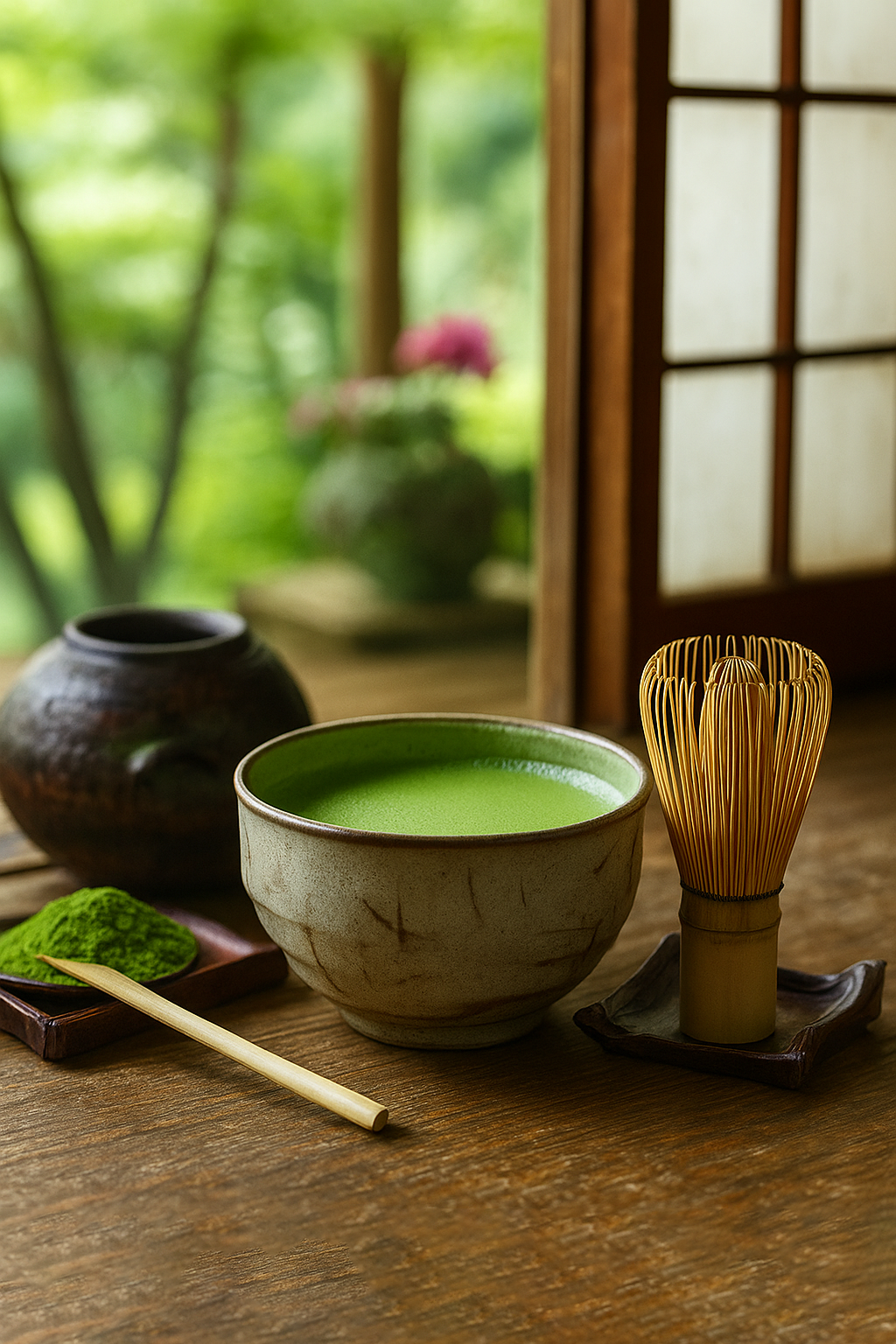
- Quality matcha powder. Start with ceremonial grade — it's smoother, less bitter, and designed for drinking straight. Our 1.06oz tin is the perfect starter size for learning what great matcha should taste like. Regular drinkers prefer the 3.53oz value size.
- A bamboo whisk (chasen). It's traditional for a reason — it creates the smoothest, most even consistency. No clumps.
- Hot water (not boiling!). Aim for 160–175°F (70–80°C). Boiling water makes matcha bitter.
- 60 seconds. Sift ½–1 tsp matcha into a bowl, add 2–3 oz hot water, whisk in a W or M motion until frothy. Done.
Budget-friendly tip: The 16oz bulk size gives you the best per-serving value if you drink matcha daily. At roughly $0.35–0.50 per serving, it's comparable to — and far healthier than — your daily coffee shop run.
How Much Matcha Should You Drink?
Most health organizations and dietitians recommend 1–2 cups per day (about 1–2g of matcha powder per cup) for healthy adults. This provides meaningful levels of catechins and L-theanine without excessive caffeine.
If you're sensitive to caffeine, start with one cup in the morning and see how you feel. Pregnant or nursing? Check with your healthcare provider about caffeine limits.
Related Reading
- Matcha Health Benefits: What the Science Says — a deeper dive into the clinical evidence
- Organic vs. Conventional Matcha: What's the Real Difference?
- How Matcha Is Made: From Leaf to Powder
- What Makes Uji Matcha Special
Ready to Start Your Matcha Journey?
Nippon Matcha is first-harvest, stone-ground ceremonial-grade matcha from Uji, Kyoto. USDA Organic and lab tested for purity — the perfect matcha for beginners and daily drinkers alike. Browse sizes →
*These statements have not been evaluated by the Food and Drug Administration. This product is not intended to diagnose, treat, cure, or prevent any disease. Consult your healthcare provider before starting any supplement regimen.

Written by Nippon Matcha