Organic vs. Conventional Matcha: What’s the Real Difference?
Key Takeaways
- Organic certification ensures no synthetic pesticides or fertilizers are used, but it doesn't automatically guarantee superior flavor or nutritional quality.
- Some of Japan's finest matcha farms use conventional methods with natural fertilizers that technically disqualify them from organic certification.
- The shading process that defines high-quality matcha requires specific nutrient management — some growers argue organic restrictions can limit tea plant health.
- When choosing between organic and conventional matcha, prioritize origin, freshness, and overall quality indicators over the organic label alone.
Published by Nippon Matcha
TL;DR: Organic matcha is grown without synthetic fertilizers, pesticides, or herbicides, while conventional matcha may use them to increase yield and influence flavor, color, and growth. Organic matcha is often chosen for cleaner farming practices and sustainability, while conventional matcha may appear brighter and taste slightly sweeter.
Quick Answer: Is Organic Matcha Better Than Conventional Matcha?
Organic matcha is often preferred by people who value clean farming, sustainability, and reduced exposure to synthetic agricultural chemicals. Conventional matcha may offer a brighter color and sometimes a sweeter or more vivid flavor profile. The better choice depends on what matters most to you: farming method, taste, appearance, or environmental impact.
If you are exploring matcha for the first time, you have probably seen labels like organic and conventional. While they may sound simple, they can affect how the tea is grown, how it tastes, how it looks, and how it aligns with your values as a buyer.
1. Farming Practices
The clearest difference between organic and conventional matcha is how the tea is cultivated. This starts with how the tea plants are grown, shaded, and harvested — all of which influence the final product. See our full guide on how matcha is made →
Organic matcha is grown without synthetic fertilizers, pesticides, or herbicides. Farmers typically rely on natural compost, soil-building practices, and other agricultural methods designed to support long-term soil health and ecological balance.
Conventional matcha may use chemical fertilizers and crop-protection products to support growth and manage pests. These methods can increase efficiency and yield, but they may also change the environmental footprint of the farm.
2. Taste and Aroma
Many people notice flavor differences between organic and conventional matcha, although this can vary depending on cultivar, region, harvest, and processing.
Organic matcha is often described as a little more vegetal, earthy, or subtle in flavor.
Conventional matcha may taste brighter, sweeter, or more vivid, depending on how the tea was grown and fertilized.
One reason this difference may appear is that farming inputs can influence how the plant absorbs nutrients and develops amino acids such as L-theanine, which contributes to matcha's smooth umami character.
3. Color and Texture
Color is one of the first things people notice about matcha, and it often shapes perception of quality.
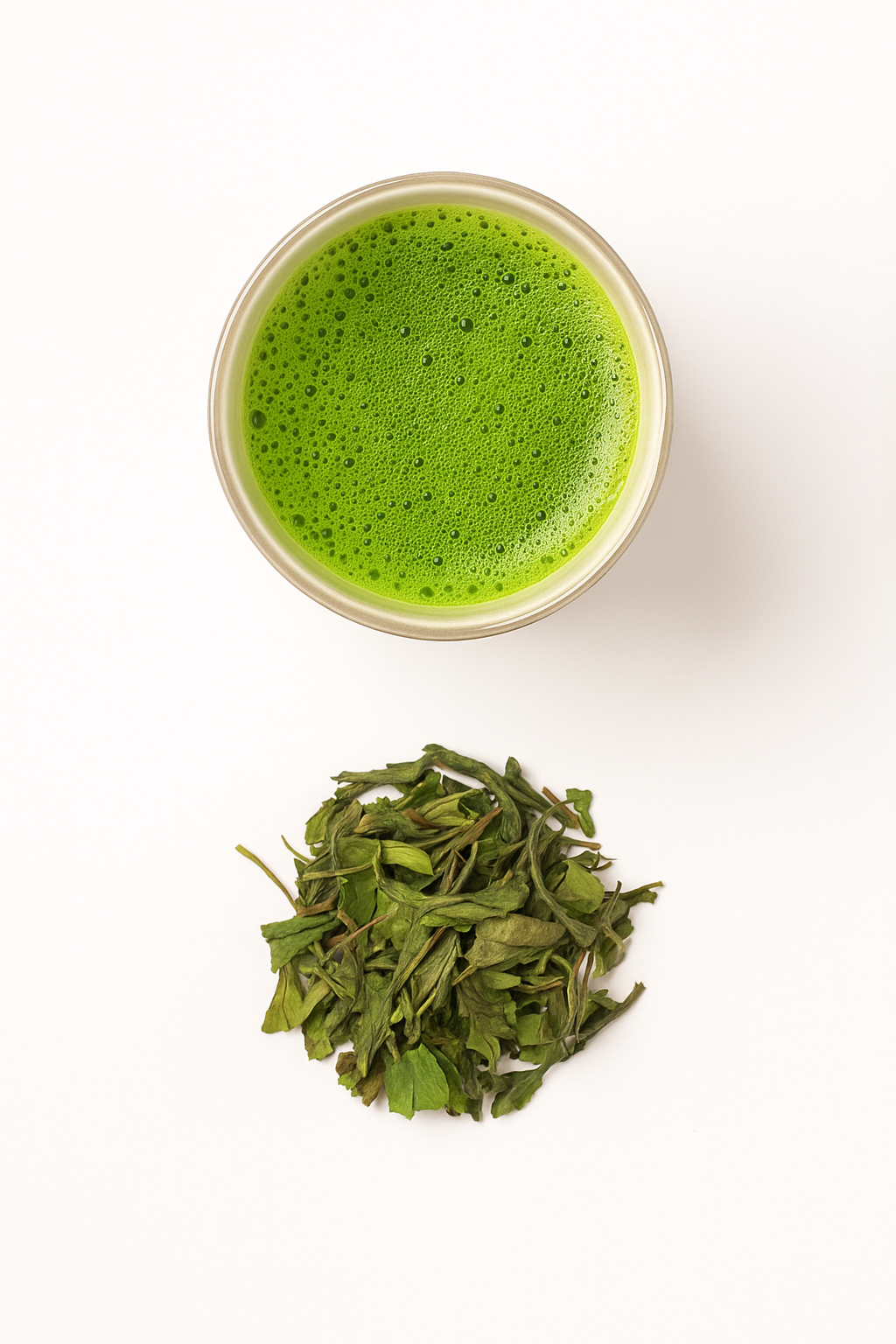
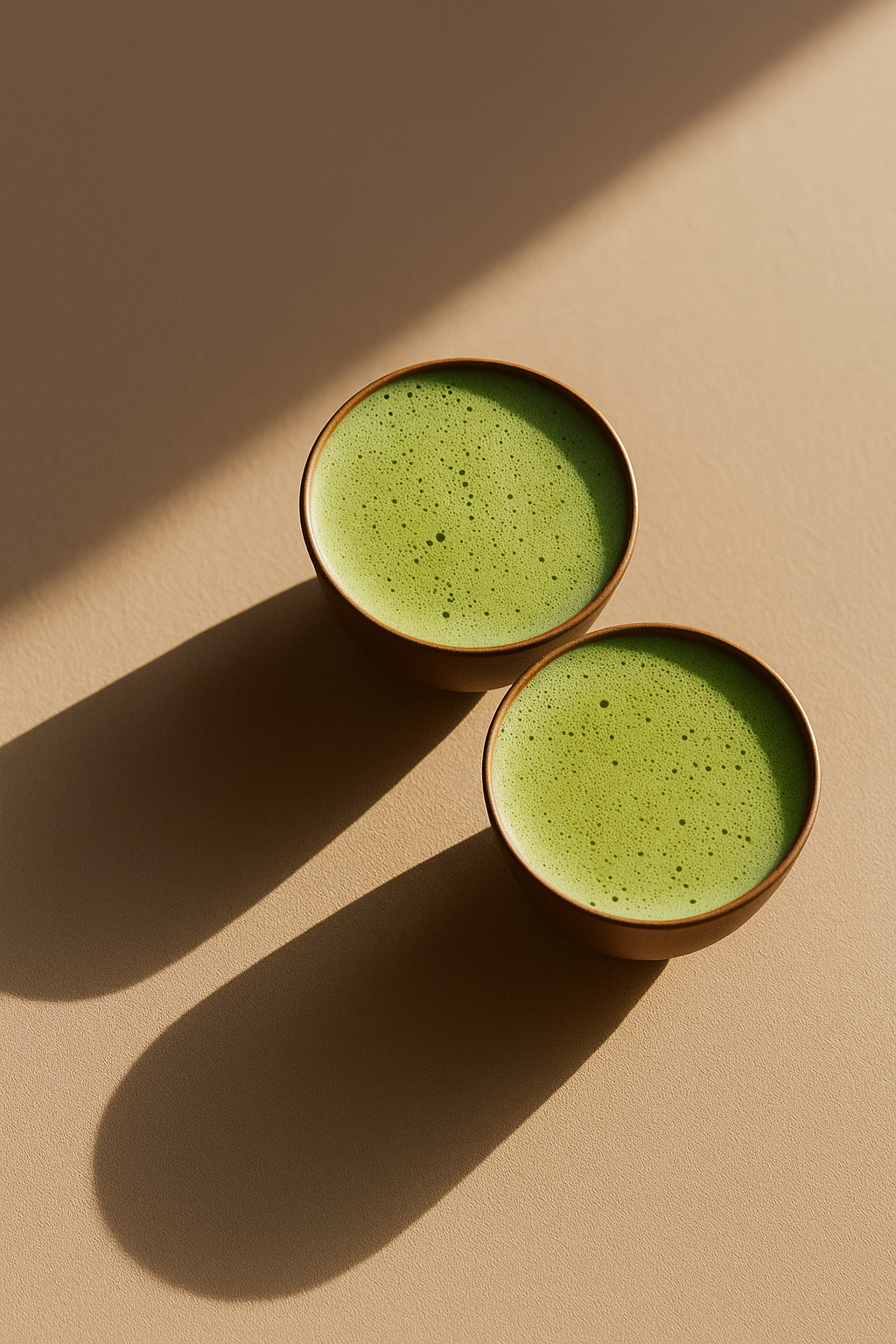
Organic matcha can sometimes appear slightly more muted, with softer green, yellow-green, or olive undertones. That does not automatically mean it is lower quality. In many cases, it simply reflects a more natural growing process.
Conventional matcha may appear brighter or more intensely green, especially when farming methods encourage faster leaf growth and stronger chlorophyll expression.
Texture in both types can still be very fine and smooth if the matcha is properly processed and stone-ground.
4. Nutritional Content
Both organic and conventional matcha contain beneficial plant compounds such as catechins, antioxidants, and naturally occurring L-theanine. However, the exact levels can vary based on growing conditions, harvest timing, cultivar, and processing methods.
Recent analyses (2025–2026) from Japanese labs confirm that matcha is particularly rich in potassium and magnesium — minerals that support metabolic health and blood pressure regulation — since you are consuming the whole leaf. These minerals are present in both organic and conventional matcha, though levels can shift based on soil composition and farming inputs.
In practice, both organic and conventional matcha can be nutrient-dense. The key difference for many buyers is not whether one contains value and the other does not, but which type better aligns with their preferences.
5. Environmental Impact
Organic farming is often associated with more sustainable agricultural practices. It can support:
- better long-term soil health
- reduced synthetic runoff into waterways
- greater biodiversity in the surrounding ecosystem
- more regenerative approaches to cultivation
If environmental responsibility is part of how you choose food and beverages, organic matcha may feel like the stronger fit.
Organic vs Conventional Matcha at a Glance
| Category | Organic Matcha | Conventional Matcha |
|---|---|---|
| Farming method | No synthetic fertilizers, pesticides, or herbicides | May use synthetic agricultural inputs |
| Flavor profile | Often more earthy, vegetal, or subtle | May taste sweeter or more vivid |
| Color | Can be softer green or olive-toned | Often brighter green |
| Buyer appeal | Clean farming, sustainability, transparency | Appearance, yield, flavor intensity |
| Environmental impact | Usually lower synthetic impact | Can have a larger chemical footprint |
So, Which One Is Better?
The answer depends on your priorities.
If you value clean farming practices, sustainability, and reduced synthetic inputs, organic matcha may be the better fit.
If you prioritize bright color, stronger visual vibrancy, or a sweeter flavor profile, conventional matcha may appeal more to you.
There is no single answer that fits everyone. The best matcha is the one that aligns with both your taste and your values.
Why Nippon Matcha Chooses Organic
At Nippon Matcha, we choose organic because we believe in supporting more sustainable farming practices and offering a clean, authentic cup that reflects the natural growing process. For us, matcha is not only about flavor. It is also about how the tea is cultivated and what that choice represents. Nippon Matcha is sourced from the renowned tea fields of Uji, Kyoto — discover what makes Uji matcha truly special →
Frequently Asked Questions
Does organic matcha taste different from conventional matcha?
It can. Organic matcha is often described as more earthy or vegetal, while conventional matcha may sometimes taste brighter or sweeter. Flavor also depends on region, harvest, and processing.
Is organic matcha always lower quality because the color is softer?
No. A softer or slightly muted green color does not automatically mean lower quality. Color is only one quality marker and should be considered alongside aroma, texture, origin, and taste.
Does conventional matcha contain more nutrients?
Both organic and conventional matcha contain antioxidants, catechins, and L-theanine. Recent mineral analysis shows both types are rich in potassium and magnesium. Exact levels can vary depending on many factors beyond farming method alone.
Why do people choose organic matcha?
Many people choose organic matcha because they prefer products grown without synthetic fertilizers, pesticides, or herbicides, and because they value more sustainable farming methods.
Which is better for daily drinking?
That depends on your priorities. If clean sourcing and sustainability matter most, organic may be the better choice. If you prefer brighter color or a slightly sweeter profile, conventional may suit you more.
Related Reading
- How Matcha Is Made: From Leaf to Powder
- What Makes Uji Matcha Special
- Best Ceremonial Grade Matcha 2026: Nippon Matcha vs Competitors
- The Benefits of Drinking Matcha: A Beginner's Guide
Ready to Taste the Difference?
Nippon Matcha is first-harvest, stone-ground ceremonial-grade matcha from Uji, Kyoto. USDA Organic and lab tested for purity. Try it today →
*These statements have not been evaluated by the Food and Drug Administration. This product is not intended to diagnose, treat, cure, or prevent any disease. Consult your healthcare provider before starting any supplement regimen.

Written by Nippon Matcha