Ceremonial vs. Culinary: Your Guide to Choosing the Right Matcha
Key Takeaways
- Ceremonial matcha is crafted for drinking straight — it undergoes longer shading, hand-picking of the youngest leaves, and slow stone-milling for ultra-fine texture.
- Culinary matcha is more versatile and cost-effective for cooking, baking, and blended beverages where its bolder flavor complements other ingredients.
- Price alone doesn't determine grade — look for specific indicators like origin, color vibrancy, and particle fineness when evaluating matcha quality.
- Investing in ceremonial grade for your daily whisked bowl and keeping culinary grade for recipes is the smartest approach for regular matcha drinkers.
Matcha is more than just green tea. It’s a tradition, a craft, and a daily ritual. But if you’ve ever shopped for matcha, you’ve probably seen two main types: ceremonial grade and culinary grade. While both come from the same plant (Camellia sinensis), they’re grown, harvested, and prepared differently, giving them distinct flavors, colors, and uses.
Let’s break down the differences so you can choose the right matcha for your cup (or recipe).
1. How They’re Grown & Harvested
-
Ceremonial Matcha
Made from the youngest, most tender tea leaves from the first harvest of the year. Farmers shade the plants for several weeks before picking, which increases chlorophyll levels and enhances sweetness. Stems and veins are carefully removed before stone-grinding, resulting in an ultra-fine, vibrant green powder. -
Culinary Matcha
Typically harvested later in the season from slightly older leaves. While still shade-grown, the flavor is more robust and slightly more astringent, perfect for blending into food and drinks without being overpowered by other ingredients.
2. Flavor & Texture
-
Ceremonial Grade
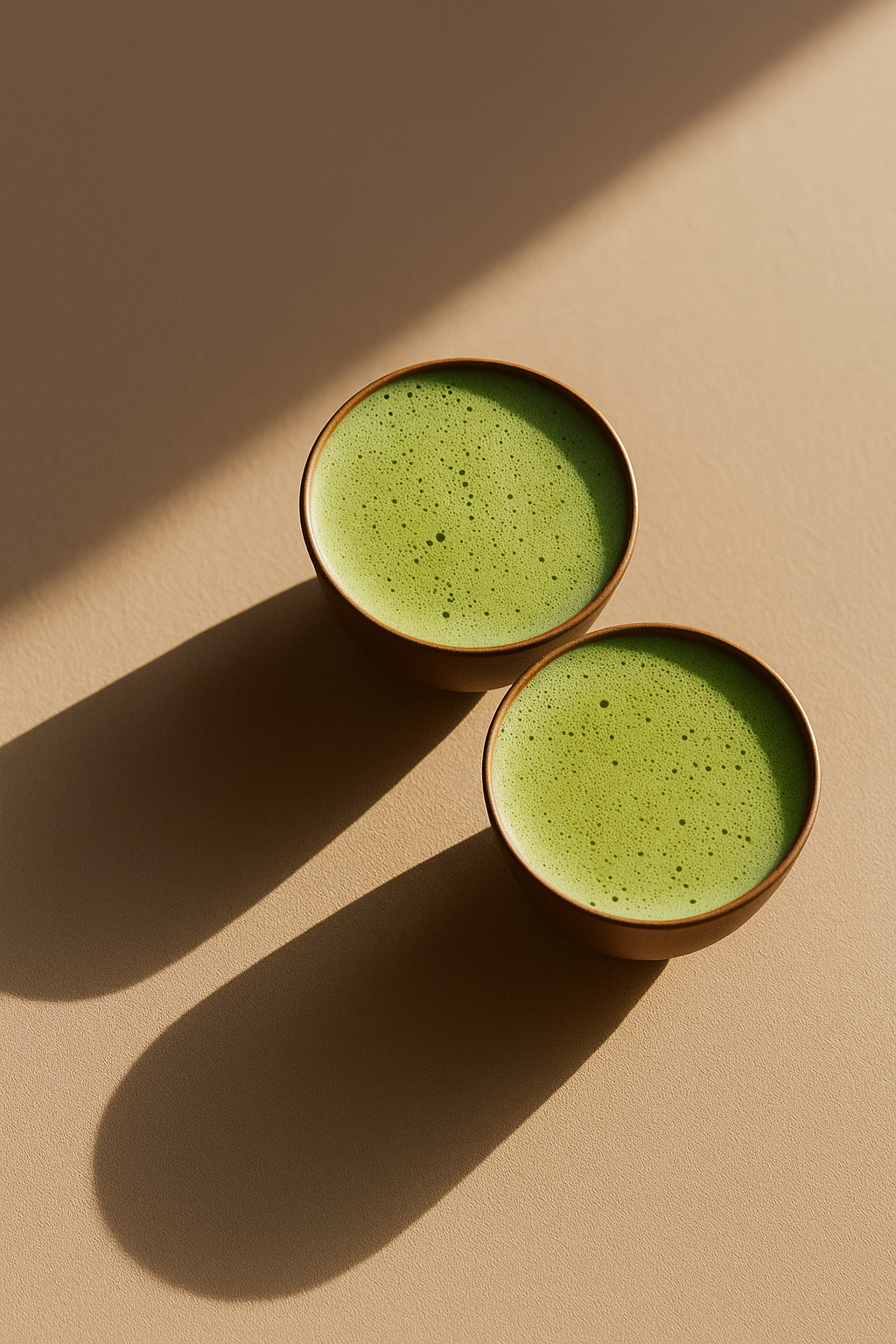
Smooth, naturally sweet, and rich in umami. There’s no bitterness, making it ideal for drinking straight with just hot water. The texture is silky, almost creamy, and whisks into a frothy, jade-green cup. -
Culinary Grade
Earthier and more intense, with a pleasant touch of bitterness. Designed to hold its flavor when mixed with milk, sweeteners, or other recipe ingredients.
3. Color & Appearance
-
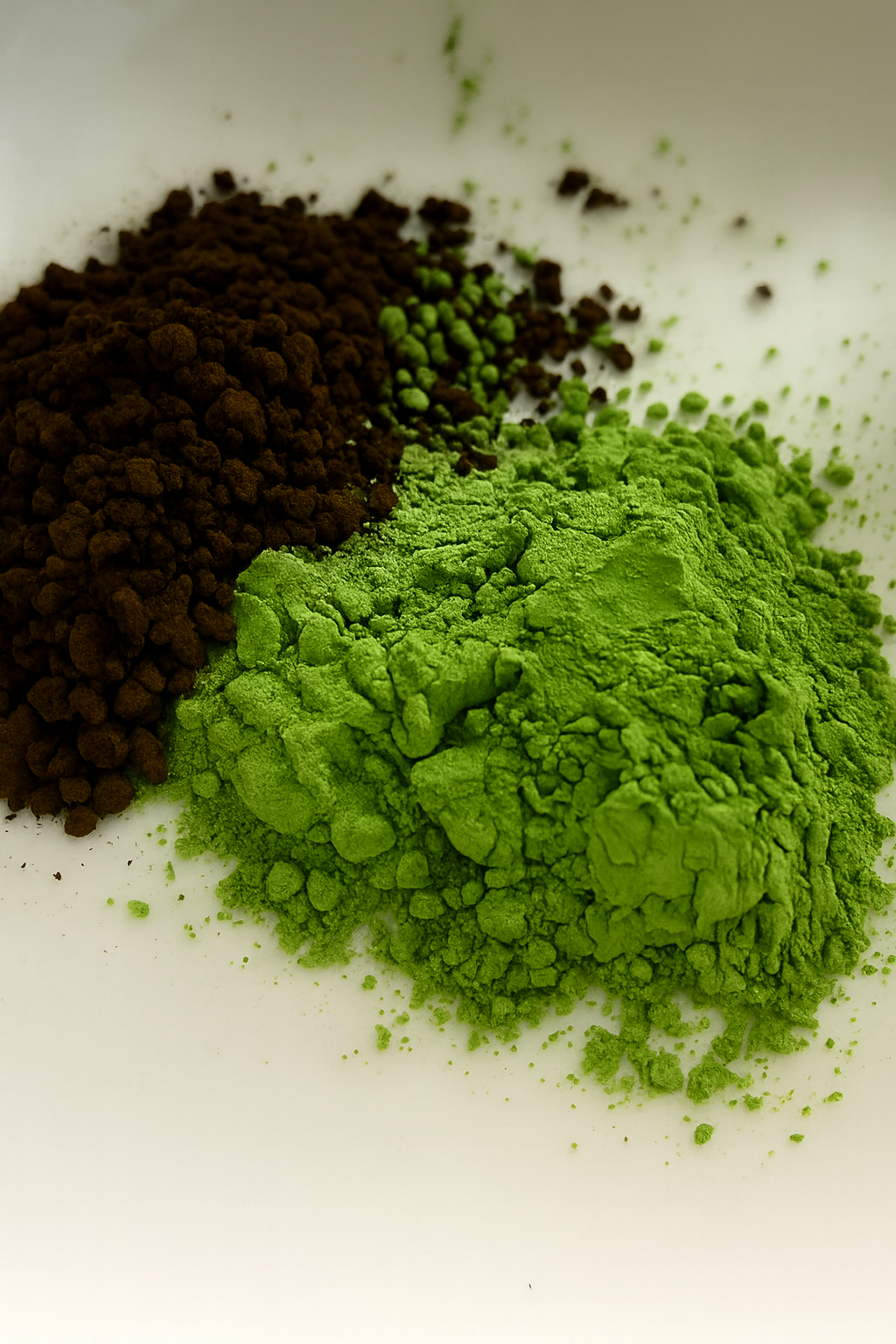
Ceremonial: Bright, vibrant green, a sign of high chlorophyll and careful shading.
-
Culinary: Slightly duller green, sometimes leaning toward olive tones due to older leaves and higher tannin content.
4. Best Uses
| Ceremonial Matcha | Culinary Matcha |
|
Traditional whisked matcha tea |
Baking (cookies, cakes, muffins) |
|
Iced matcha lattes (where the pure flavor shines) |
Smoothies & protein shakes |
| Special tea ceremonies and mindful rituals |
Desserts like matcha ice cream or cheesecake |
5. Which One Should You Choose?
If you want to savor matcha in its purest form, ceremonial grade is the way to go. If you’re creating recipes, baking, or blending matcha with other flavors, culinary grade will give you great taste without using up your premium ceremonial stock.
At Nippon Matcha, our First Harvest Ceremonial Grade Organic Matcha from Uji, Kyoto is grown, picked, and stone-ground with care to honor centuries of Japanese tradition. Every sip is vibrant, smooth, and full of life — the way true matcha should be.
Ready to Taste the Difference?
Nippon Matcha is first-harvest, stone-ground ceremonial-grade matcha from Uji, Kyoto. USDA Organic and lab tested for purity. Try it today →
*These statements have not been evaluated by the Food and Drug Administration. This product is not intended to diagnose, treat, cure, or prevent any disease. Consult your healthcare provider before starting any supplement regimen.

Written by Nippon Matcha