Matcha and Hojicha: Two Japanese Teas, Two Experiences
Key Takeaways
- Matcha and hojicha are both Japanese green teas but differ dramatically — matcha is shade-grown and stone-milled, while hojicha is roasted at high temperatures.
- Hojicha has significantly less caffeine than matcha due to the roasting process, making it an excellent evening or low-caffeine alternative.
- Matcha offers higher antioxidant and L-theanine content, while hojicha provides a unique toasty, caramel-like flavor profile.
- Both teas have a place in a daily routine — matcha for morning energy and focus, hojicha for afternoon or evening relaxation.
When it comes to Japanese green teas, two standouts often spark curiosity: matcha and hojicha. Both come from the same tea plant (Camellia sinensis), yet they look, taste, and even feel completely different. If you’ve ever wondered which one belongs in your cup, here’s a breakdown of how they compare.
The Basics
-
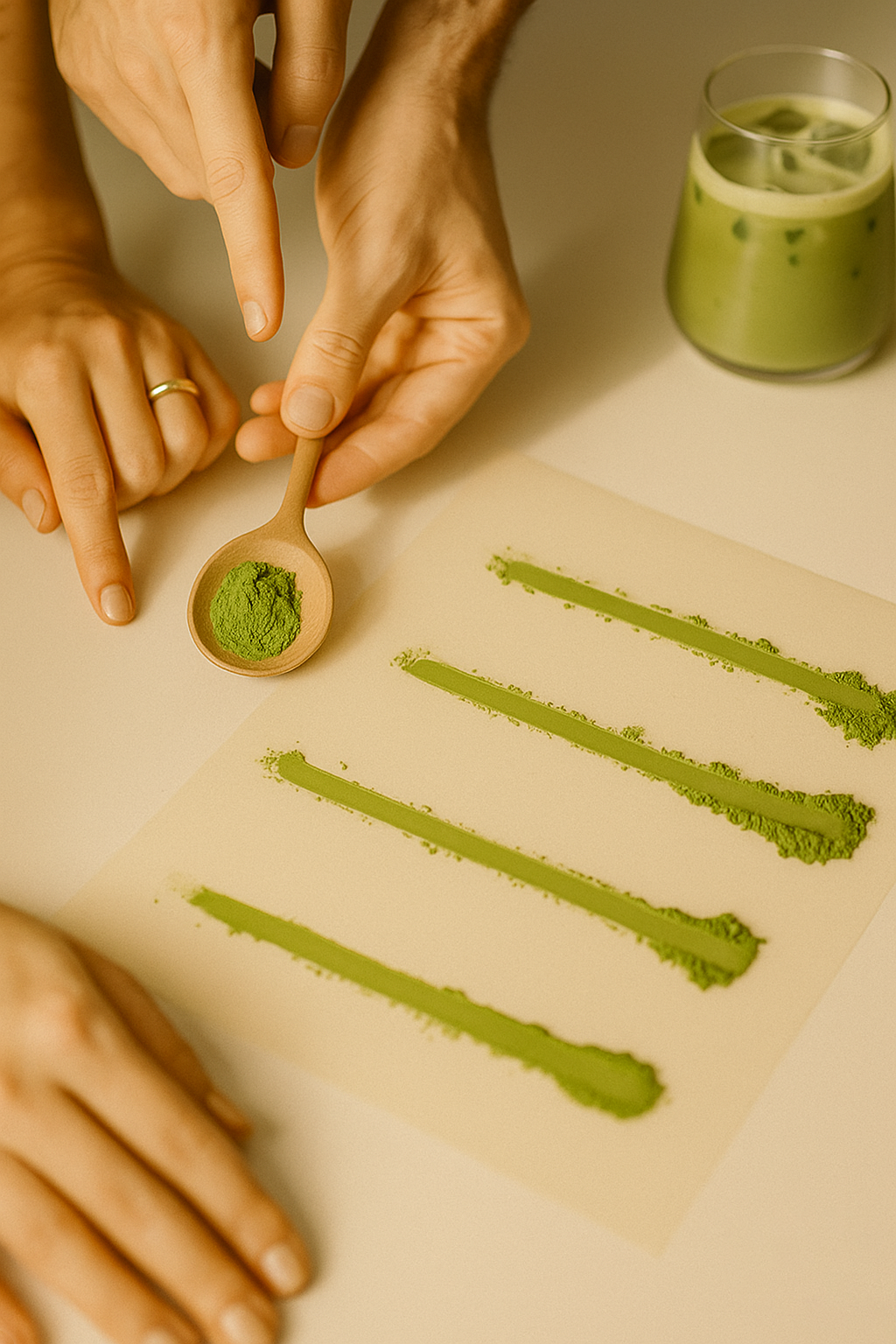
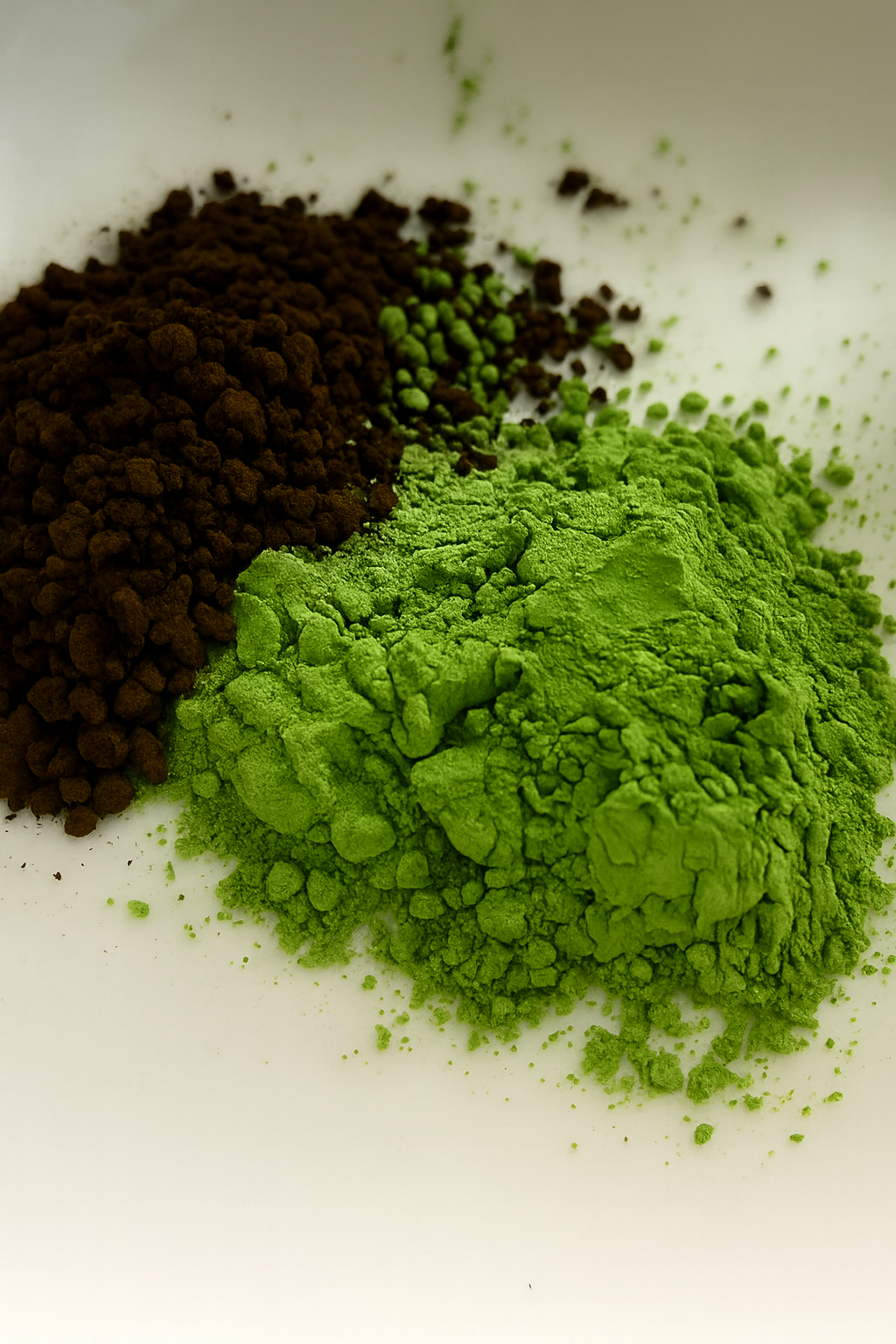
Matcha: A vibrant, finely ground green tea powder made from shade-grown tea leaves. Known for its smooth umami flavor, bright green color, and high nutrient profile.
-
Hojicha: A roasted Japanese green tea, often made from bancha (late-harvest leaves). Usually enjoyed as loose leaf or roasted powder, with a warm, toasty aroma and reddish-brown color.
Flavor Profile
-
Matcha: Rich, creamy, and slightly vegetal with a balance of natural sweetness and umami. Full-bodied yet delicate, a flavor that fits every mood.
-
Hojicha: Nutty, caramel-like, and lightly smoky thanks to the roasting process. Naturally low in bitterness, making it easy to drink hot or iced, even for first-time tea drinkers.
Caffeine & Energy
-
Matcha: Contains more caffeine than hojicha (about 60–70mg per 2g serving (30–40mg per 1g)). The combination of caffeine and L-theanine delivers calm, focused energy without the jitters of coffee.
-
Hojicha: Very low in caffeine (about 7–15 mg per cup). It’s gentle enough for evenings and often enjoyed by children or older adults in Japan.
Health Benefits
-
Matcha: Because you consume the whole leaf in powdered form, matcha offers high levels of antioxidants, chlorophyll, and amino acids. Supports energy, focus, metabolism, and overall wellness.
-
Hojicha: Roasting reduces catechins and chlorophyll, but it still contains antioxidants. Its biggest benefit is being gentle on digestion and naturally calming, making it a soothing tea for relaxation.
How They’re Enjoyed
-
Matcha: Traditionally whisked into hot water, but also used in lattes, smoothies, baking, and desserts.
-
Hojicha: Commonly brewed as loose-leaf tea, but hojicha lattes and hojicha powder desserts are becoming trendy worldwide.
Which One Should You Choose?
| Go for Matcha if you want: | Choose Hojicha if you prefer: |
|
A vibrant boost of calm energy |
A warm, roasted flavor that feels cozy |
|
High antioxidants and nutrients |
Very low caffeine — perfect for evenings |
|
A versatile tea for rituals, lattes, and recipes |
A gentle, soothing tea that’s easy to sip daily |
The Best of Both Worlds
There’s no wrong choice: matcha and hojicha complement each other beautifully. Matcha powers your mornings with energy and focus, while hojicha winds down your evenings with comfort and calm. Together, they create a balanced tea lifestyle rooted in Japanese tradition.
Ready to experience authentic Japanese matcha? Explore our Nippon Matcha collection today and taste the difference of ceremonial grade, first-harvest tea from Uji, Japan.
Ready to Taste the Difference?
Nippon Matcha is first-harvest, stone-ground ceremonial-grade matcha from Uji, Kyoto. USDA Organic and lab tested for purity. Try it today →
*These statements have not been evaluated by the Food and Drug Administration. This product is not intended to diagnose, treat, cure, or prevent any disease. Consult your healthcare provider before starting any supplement regimen.

Written by Nippon Matcha