Becoming a Matcha Expert: How to Understand Tasting Notes
Key Takeaways
- Developing a matcha palate involves learning to identify five key flavor dimensions: umami, sweetness, astringency, bitterness, and aroma.
- High-quality ceremonial matcha should have a dominant umami character with natural sweetness and minimal bitterness or astringency.
- Tasting matcha traditionally (whisked with water only) is the best way to evaluate quality, as milk and sweeteners mask important flavor nuances.
- Like wine tasting, matcha appreciation improves with practice — try different origins and grades side by side to train your palate.
If you’ve ever wondered why some matcha tastes bitter while others are smooth and comforting, it all comes down to quality.
Tasting matcha is about more than just flavor. It’s about texture, aroma, and the subtle notes that tell the story of how your matcha was grown and crafted.

Umami: The Soul of Matcha
Umami is what gives ceremonial-grade matcha its distinct character: a rich, brothy, savory note that lingers on the tongue. It's not overpowering, but grounding, like the warmth of a slow sip.
This depth of flavor is the result of carefully shaded tea plants, which develop high levels of L-theanine (an amino acid responsible for that comforting richness and calm, focused energy).
A matcha with strong umami signals premium origin, meticulous harvesting, and traditional processing.
Natural Sweetness: Balanced and Subtle
Truly high-quality matcha has a quiet, natural sweetness, not sugary, but soft and round. It balances the umami beautifully, especially when the tea is made using first-harvest leaves. These leaves are younger, more tender, and have a higher concentration of amino acids, which give matcha its sweet, almost creamy flavor profile.
You shouldn’t have to add anything to enjoy it — the best matcha is satisfying on its own.
Creamy Texture: Smooth, Not Gritty
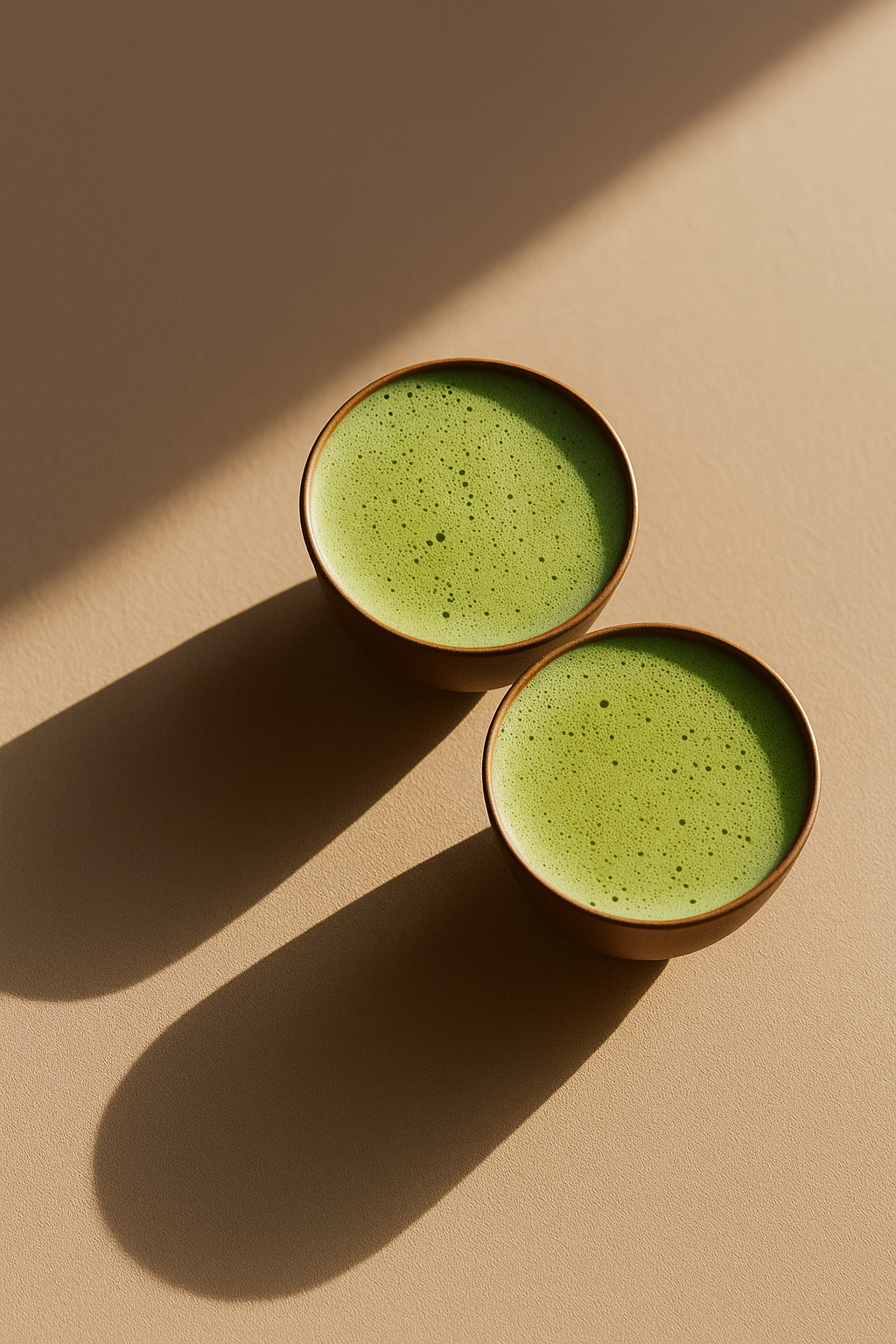
Texture is often overlooked, but it tells you everything. Great matcha has a silky, creamy mouthfeel, thanks to fine stone-milling and the use of only the most delicate leaves. There should be no graininess, clumping, or chalky residue. When whisked properly, it should feel soft and frothy like velvet.
Low Bitterness: A Sign of Care
Bitterness in matcha usually means one thing: lower-grade leaves or improper harvesting. Good matcha should be smooth, earthy, and almost buttery. The absence of bitterness allows the umami and sweetness to shine through.
If your matcha tastes sharp or metallic, it’s likely culinary grade: meant for baking, not sipping.
Fragrance: Earthy and Fresh
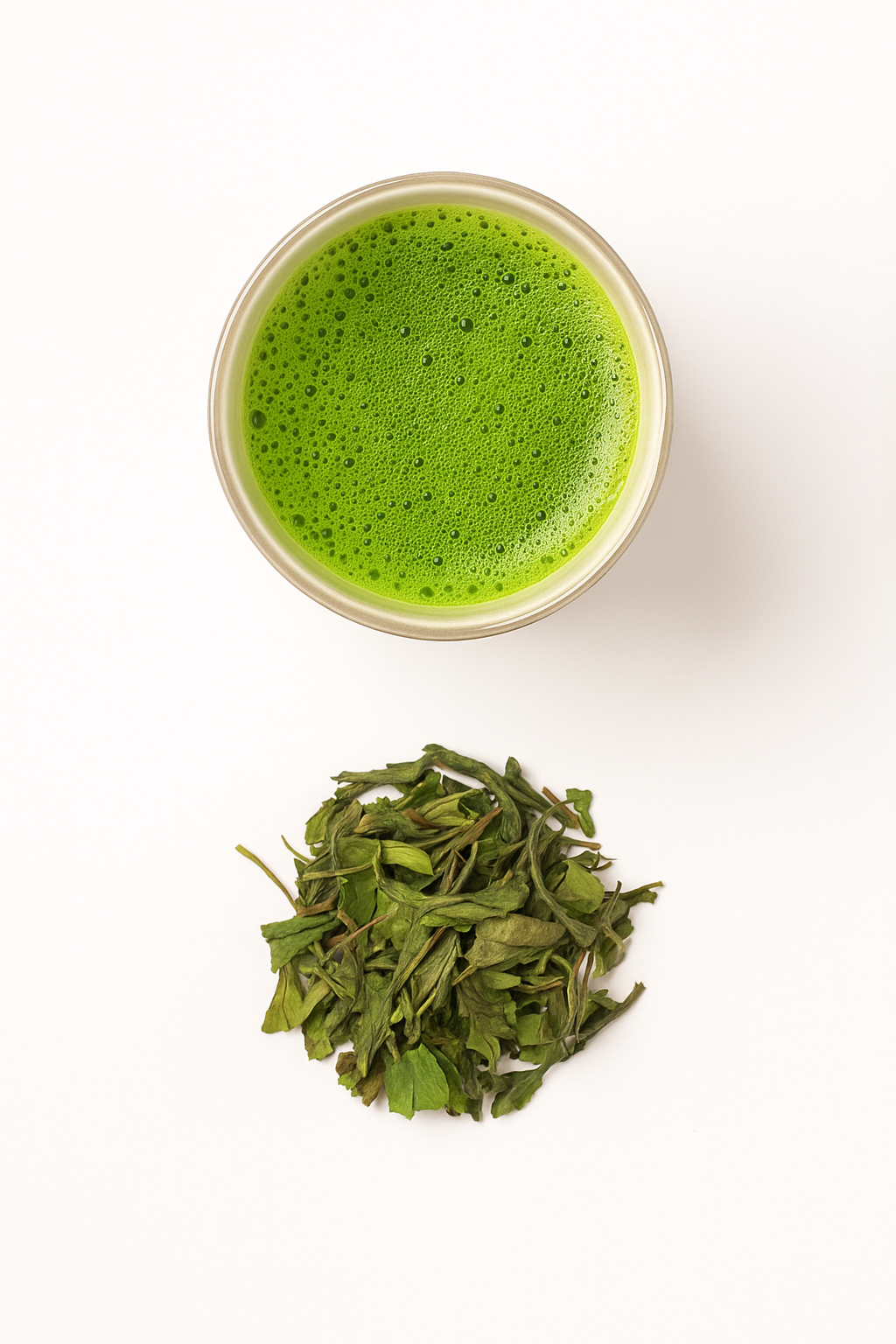
Before you even take a sip, your senses begin with the aroma. High-quality matcha has a fresh, grassy fragrance: soft notes of steamed greens, a touch of natural sweetness, and a subtle umami warmth. It’s clean, calming, and almost meditative.
On the other hand, low-quality matcha often smells dull, bitter, or overly astringent, sometimes described as musty, fishy, or even metallic. That’s usually a sign of poor storage, late harvest, or excessive oxidation.
How to Taste Matcha Properly
Want to explore these flavors the right way? Here's how:
-
Start simple — try it plain, no milk or sweeteners.
-
Use water between 70–80°C (160–175°F) — boiling water burns the tea.
-
Sip mindfully — notice the taste at the front of your tongue, then the finish.
-
Whisk well — a frothy top enhances both aroma and mouthfeel.
Final Sip
Tasting matcha is a ritual: a quiet check-in with your senses. When you slow down and tune in, you’ll notice just how much care is packed into every scoop.
From the fields of Uji to your cup — taste the difference with Nippon Matcha.
Ready to Taste the Difference?
Nippon Matcha is first-harvest, stone-ground ceremonial-grade matcha from Uji, Kyoto. USDA Organic and lab tested for purity. Try it today →
*These statements have not been evaluated by the Food and Drug Administration. This product is not intended to diagnose, treat, cure, or prevent any disease. Consult your healthcare provider before starting any supplement regimen.

Written by Nippon Matcha