
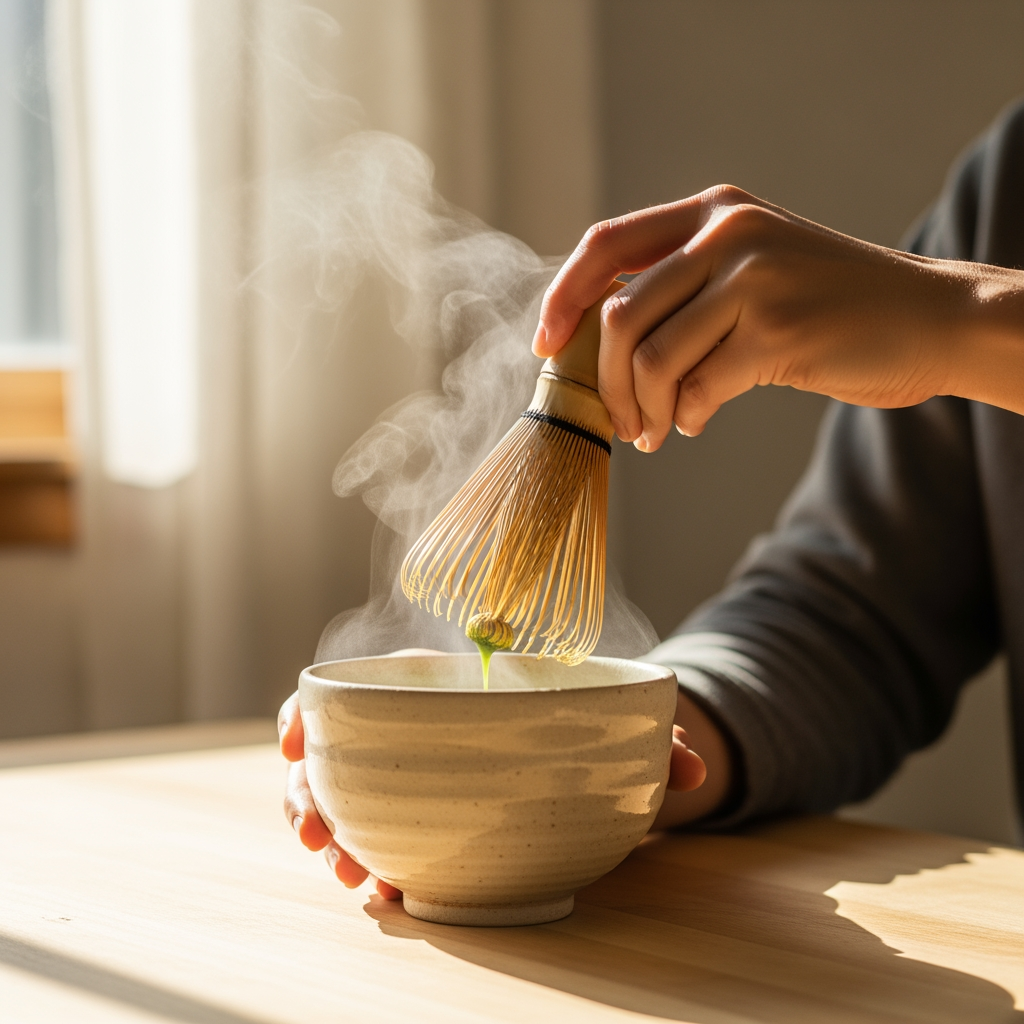
Making matcha is simple — but the difference between a chalky, bitter cup and a smooth, frothy one comes down to a few key details. Here's how to make matcha the right way, whether you prefer the traditional approach or a modern latte.
What You'll Need
For Traditional Matcha (Usucha)
- 1–2g matcha powder (about ½ to 1 teaspoon)
- 2–3 oz (60–80ml) hot water at 170°F / 75°C (not boiling)
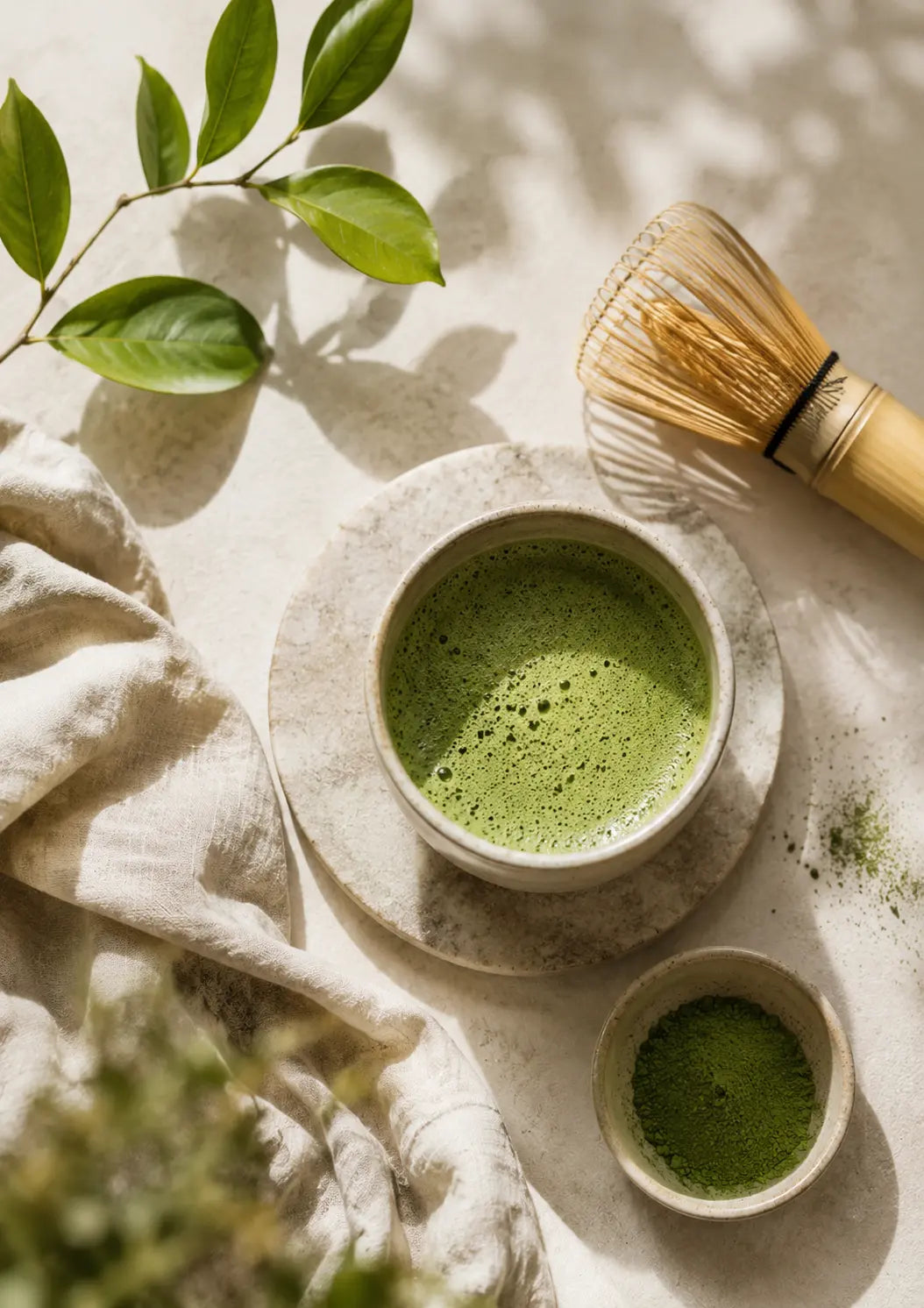
- A chasen (bamboo whisk) or electric milk frother
- A fine mesh sifter or tea strainer
- A wide bowl (chawan) or large mug
For a Matcha Latte
- Everything above, plus:
- 6–8 oz (180–240ml) milk of your choice
- Optional: sweetener (honey, maple syrup, vanilla)
Method 1: Traditional Usucha (Thin Tea)
This is how matcha has been prepared in Japanese tea ceremonies for centuries — and it's the purest way to taste the quality of your matcha.
Step 1: Sift the Matcha
Place 1–2g of matcha into a fine mesh sifter and tap it through into your bowl. This breaks up any clumps and ensures a smooth, lump-free result. Don't skip this step — it makes a bigger difference than you'd expect.
Step 2: Add Water
Heat water to 170°F (75°C). If you don't have a thermometer, bring water to a boil and let it cool for 2–3 minutes. Pour 2–3 oz over the sifted matcha.
Why not boiling? Water above 185°F scorches the delicate amino acids and brings out bitter catechins. Lower temperature preserves the sweetness and umami.
Step 3: Whisk
Using a chasen (bamboo whisk) or electric frother, whisk vigorously in a W or M motion (not circular) for 15–20 seconds until a fine, even layer of foam forms on the surface. The foam should be tiny, uniform bubbles — not large, soapy ones.
Step 4: Enjoy
Drink immediately. Matcha begins to settle within a minute or two, so it's best enjoyed right after whisking.
Method 2: Matcha Latte (Hot)
The matcha latte is the most popular way people enjoy matcha today. Here's how to make one that rivals any café.
Step 1: Make a Matcha Concentrate
Sift 1–2g matcha into your cup. Add 2 oz of hot water (170°F) and whisk until smooth and frothy. This concentrated "matcha shot" is the base of your latte.
Step 2: Heat and Froth Your Milk
Heat 6–8 oz of your preferred milk to around 150°F. Froth it with a steam wand, electric frother, or by shaking it in a sealed jar. Oat milk, whole milk, and coconut milk froth best.
Step 3: Combine
Pour the frothed milk over the matcha concentrate. Sweeten to taste if desired — though with good ceremonial-grade matcha, many people find they don't need any sweetener at all.
Method 3: Iced Matcha
Perfect for warm weather or anyone who prefers cold drinks.
Step 1: Prepare Your Matcha Base
Sift 1–2g matcha into a glass. Add 2 oz of hot water (170°F) and whisk until smooth. You still need hot water first — matcha doesn't dissolve properly in cold water alone.
Step 2: Add Ice and Milk
Fill a glass with ice, pour the matcha concentrate over it, then top with 6–8 oz cold milk. Stir gently. The layered green-and-white look is part of the appeal.
Common Mistakes (and How to Fix Them)
| Problem | Cause | Fix |
|---|---|---|
| Bitter taste | Water too hot | Use 170°F, not boiling |
| Clumpy texture | Didn't sift | Always sift matcha before adding water |
| Weak flavor | Not enough matcha | Use 1.5–2g (a full teaspoon) |
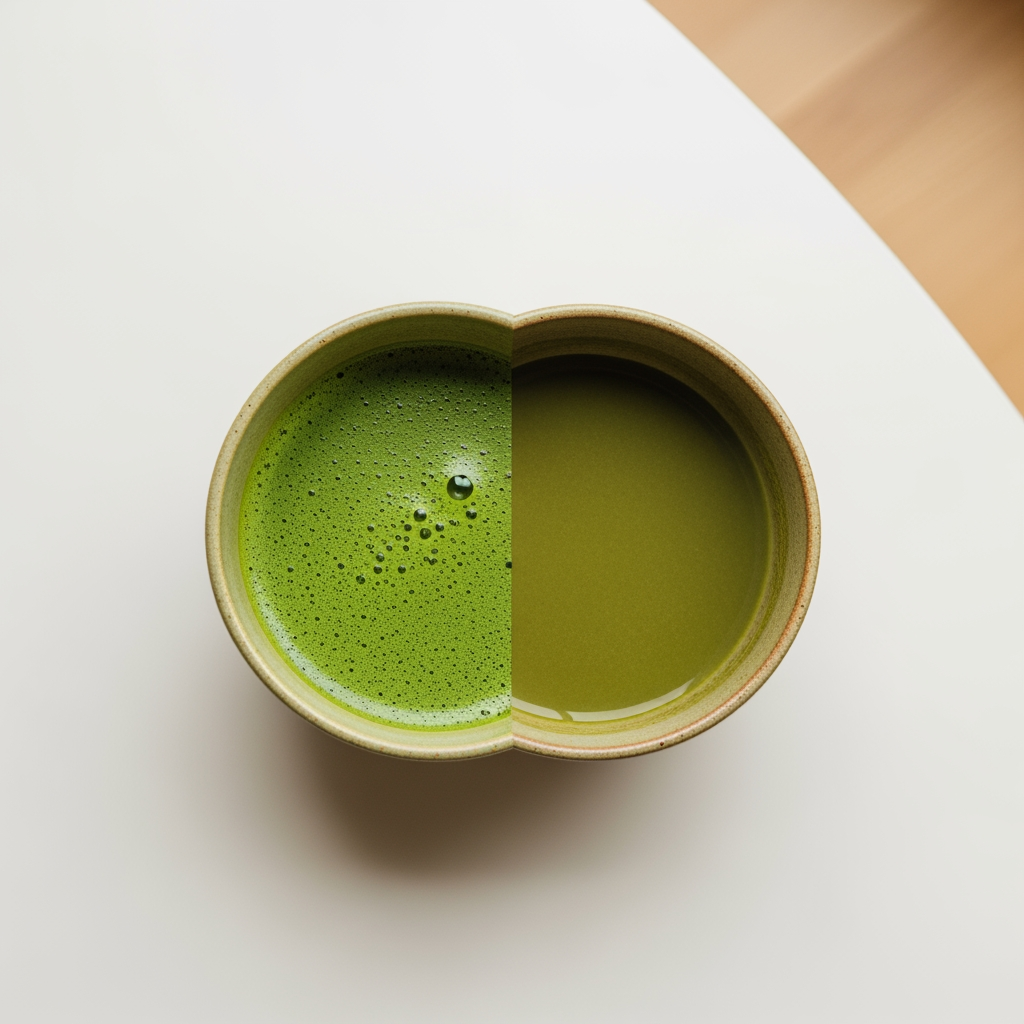
| No foam | Wrong whisk motion | Use fast W-motion, not circular stirring |
| Dull color | Old or low-quality matcha | Use fresh, ceremonial-grade matcha stored properly |
| Gritty mouthfeel | Coarse grind | Switch to stone-ground ceremonial-grade matcha |
What About a Chasen vs. Electric Frother?
A traditional bamboo chasen gives you more control and a silkier foam — it's also a beautiful ritual object that makes the process feel intentional. An electric handheld frother is faster and easier to clean, and produces perfectly good results.
Our honest take: if you're making matcha daily, an electric frother is more practical. If you want the full meditative experience, invest in a chasen. Both work.
The Quality of Your Matcha Matters Most
Technique helps, but no amount of careful whisking can fix low-quality matcha. If your matcha is bitter, dull-colored, or gritty even when you follow these steps, the issue is the powder, not your method.
Nippon Matcha is first-harvest, stone-ground ceremonial matcha from Uji, Kyoto — designed to be smooth, sweet, and vibrant whether you whisk it traditional or shake it into an iced latte.
Start Your Matcha Ritual
Try Nippon Matcha: first-harvest, stone-ground, USDA Organic from Uji, Kyoto. Available in 1.06 oz and 3.53 oz tins. Shop now →

%20and%20bowl%20(chawan)%20to%20create%20a%20smooth,%20frothy%20bowl%20with%20no%20clumps.%0AWater%20temperature%20is%20critical%20%E2%80%94%20use%2070%E2%80%9380%C2%B0C%20(160%E2%80%93175%C2%B0F)...)