Walk into any grocery store and you'll find matcha ranging from $5 to $50+ per ounce. The difference usually comes down to grade — but what do "ceremonial" and "culinary" actually mean, and does it matter which one you buy?
Here's a straightforward breakdown.
The Two Main Grades
Ceremonial Grade
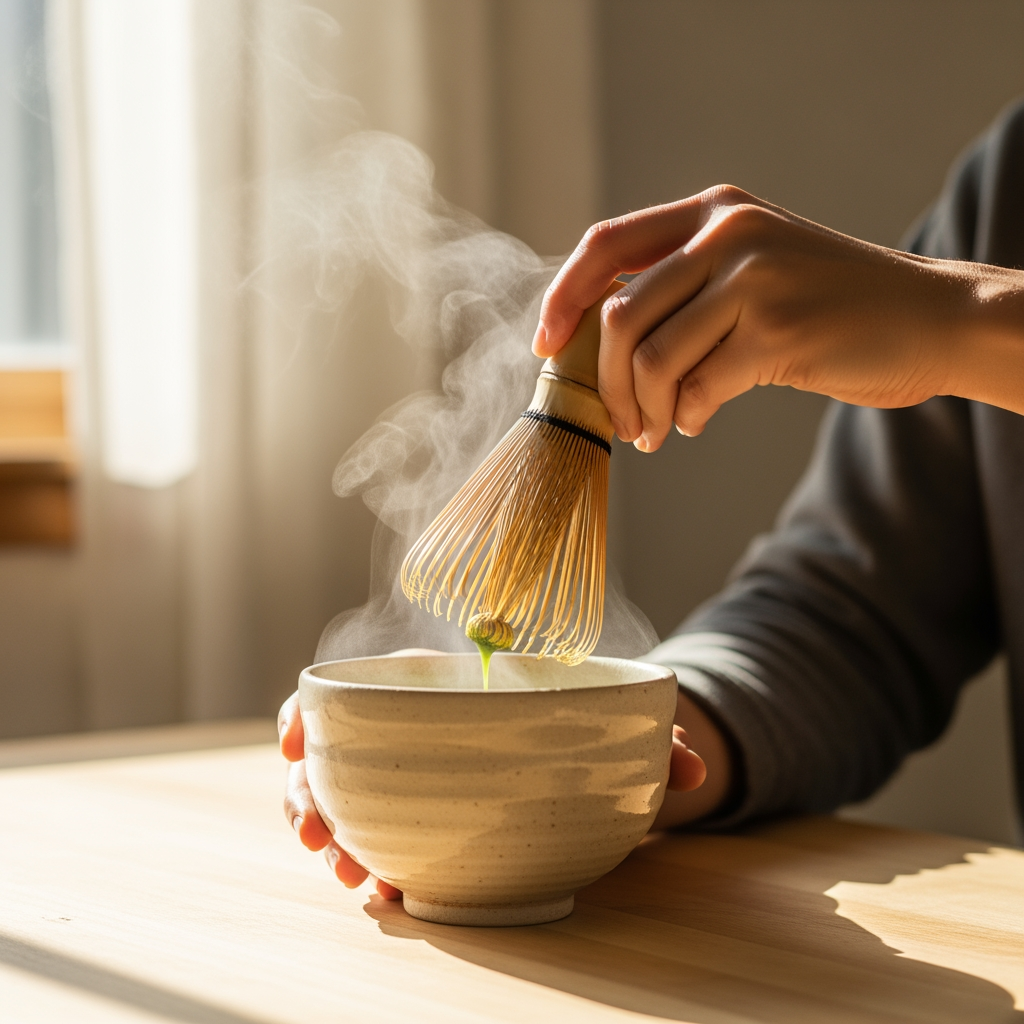
Ceremonial-grade matcha is the highest quality available. It's meant to be whisked with water and enjoyed straight — the way matcha has been prepared in Japanese tea ceremonies for centuries.
Key characteristics:
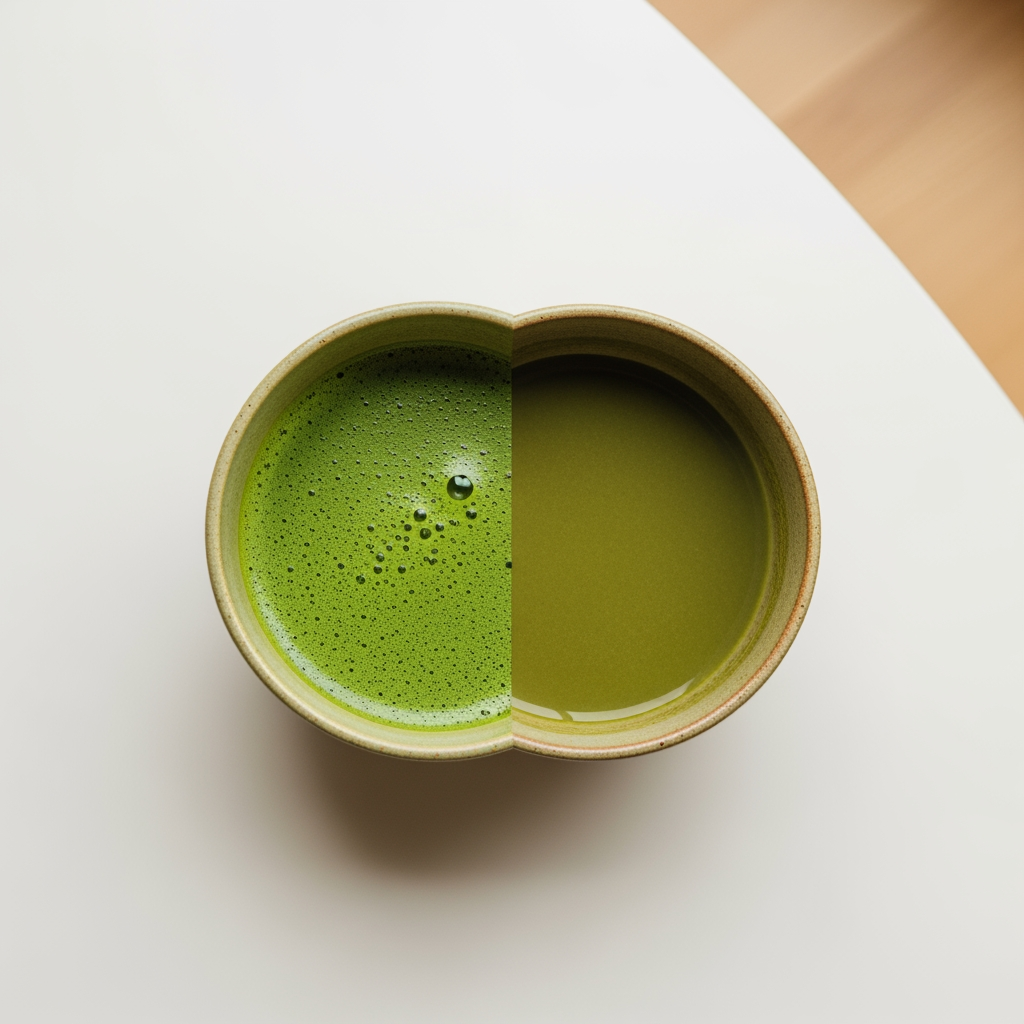
- Color: Vibrant, bright emerald green
- Taste: Naturally sweet, rich umami, creamy mouthfeel, minimal to no bitterness
- Texture: Extremely fine, silky powder (stone-ground to ~10 microns)
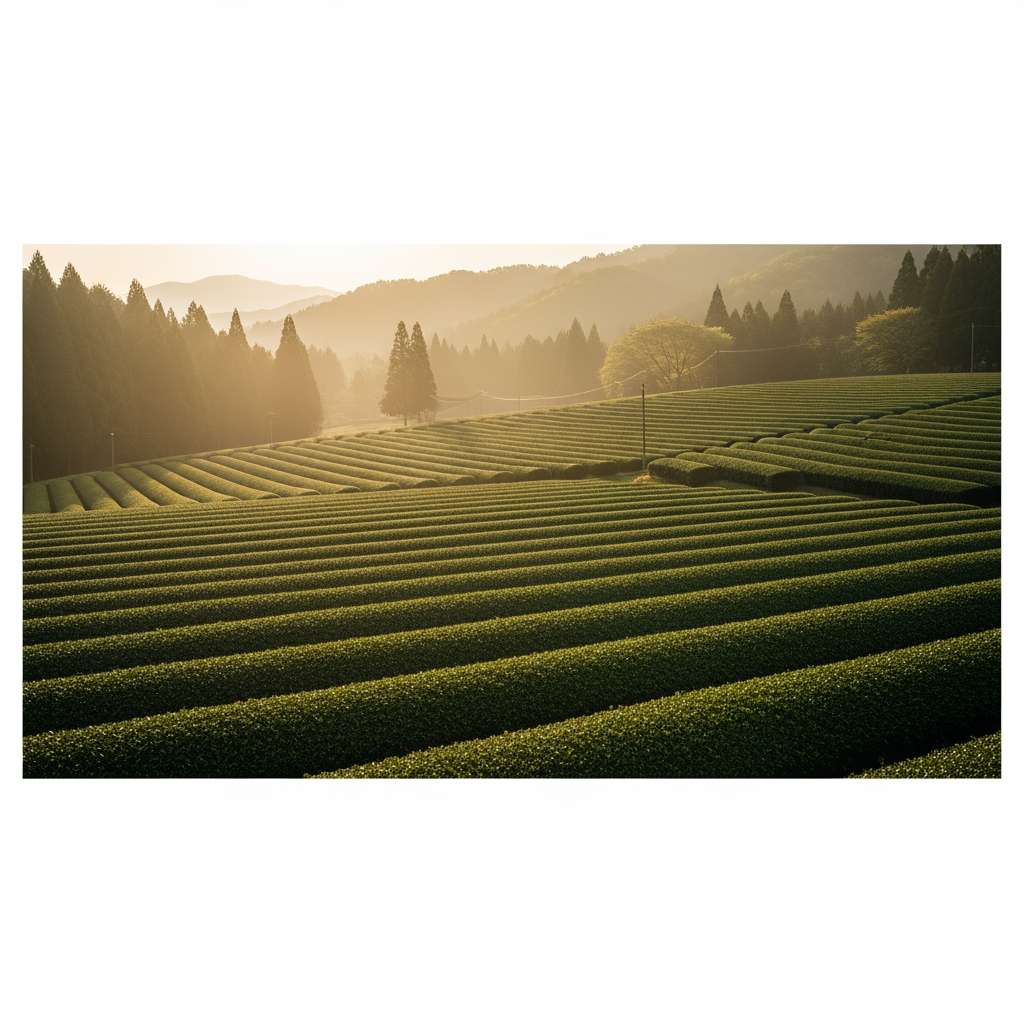
- Source: First-harvest leaves only, shade-grown for 20–30 days
- Processing: Stone-ground on granite mills at slow speeds
- Price: Higher — reflects the labor-intensive production and limited supply of first-harvest leaves
Culinary Grade
Culinary-grade matcha is designed for cooking, baking, and blending into drinks where it's mixed with other ingredients like milk, sugar, or butter.
Key characteristics:
- Color: Duller green, sometimes olive or yellow-tinged
- Taste: More astringent and bitter — which can actually be desirable in recipes where you want the matcha flavor to punch through other ingredients
- Texture: Slightly coarser than ceremonial grade
- Source: Often second or third harvest leaves, which are more mature and contain more catechins (the compounds that cause bitterness)
- Processing: May be machine-ground at higher speeds
- Price: More affordable
What Actually Makes the Difference
The grade isn't just a marketing label — it reflects real differences in how the tea is grown and processed:
1. Harvest Timing
First-harvest (spring) leaves have spent all winter accumulating amino acids, particularly L-theanine, which gives matcha its signature sweet umami flavor and calm-energy effect. As the plant continues to grow through summer, subsequent harvests produce leaves with more catechins and less L-theanine — meaning more bitterness and less sweetness.
2. Shading Duration
Ceremonial-grade tea is shaded longer (20–30 days), which boosts chlorophyll and L-theanine while suppressing bitter catechins. Culinary-grade may receive less shading or none at all.
3. Leaf Selection
For ceremonial grade, only the youngest, most tender leaves at the top of the plant are used, and all stems and veins are removed to produce pure tencha. Culinary grade may include older leaves and stem material.
4. Grinding Method
Traditional stone-grinding at ~40g/hour produces the finest, most aromatic powder. Industrial grinding at high speeds generates heat that oxidizes the tea, reducing flavor complexity and nutritional value.
Can You Use Ceremonial Grade for Lattes?
Absolutely — and it makes a noticeably better latte.
The common advice that "ceremonial is for drinking straight, culinary is for lattes" is outdated. While culinary-grade works fine in heavily sweetened or flavored drinks, if you're making a simple matcha latte (matcha + milk), ceremonial grade gives you:
- A smoother, naturally sweeter flavor that doesn't require added sugar
- Vibrant green color instead of dull olive
- Better froth and mouthfeel
- The full nutritional benefit of first-harvest leaves
Think of it like cooking with good olive oil vs. cheap vegetable oil. You can use either, but you'll taste the difference.
How to Spot Low-Quality Matcha
Regardless of what the label says, watch for these red flags:
- Yellow or brown tint: Indicates oxidation, old stock, or low-quality leaves
- Grainy texture: Should feel like fine talc between your fingers, not sand
- Strong bitterness when whisked with water: Good ceremonial matcha should be smooth and sweet on its own
- No origin specified: If it just says "Japanese matcha" without a region, it may be blended from multiple sources
- Very low price for "ceremonial" grade: Genuine first-harvest, stone-ground ceremonial matcha has a floor cost. If it seems too cheap, it probably is.
Our Take
At Nippon Matcha, we only produce ceremonial grade. Our matcha is first-harvest, stone-ground, single-origin from Uji, Kyoto, and USDA Certified Organic. We believe if you're drinking matcha daily, you deserve the best leaves from the best region — whether you whisk it traditional or pour it into a latte.
Taste Ceremonial-Grade Matcha
Start with our 1.06 oz tin (~30 servings) or go all-in with the 3.53 oz tin (~100 servings).