
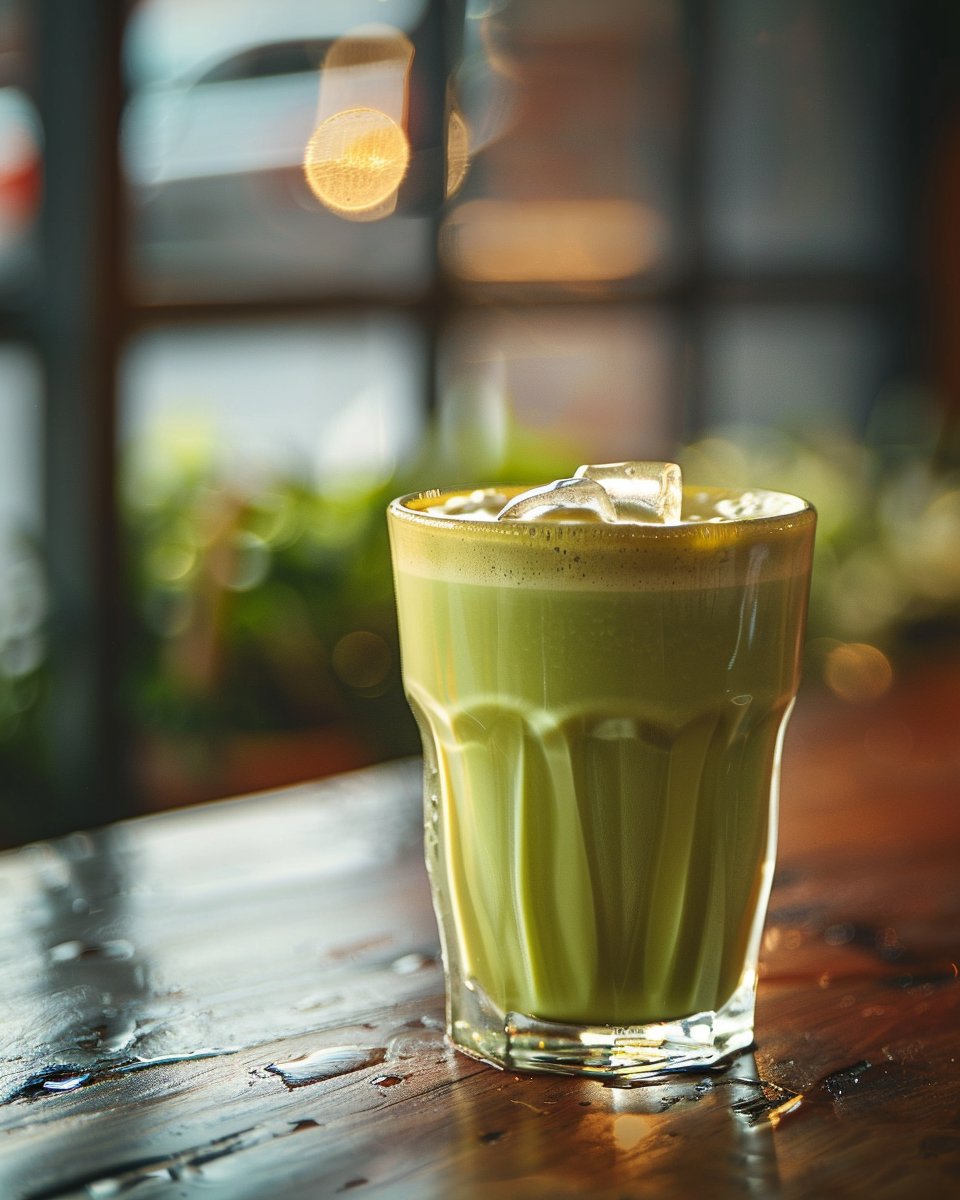
How Much Caffeine Is in Matcha? The Complete Guide
Key Takeaways
- A typical serving of matcha (1g or ½ teaspoon) contains approximately 30–70mg of caffeine, roughly half to two-thirds of a cup of coffee.
- Matcha's caffeine is absorbed more slowly than coffee's due to L-theanine and catechins, providing 4–6 hours of sustained energy without the crash.
- Caffeine content varies by matcha grade, origin, and preparation — ceremonial grade matcha generally contains more caffeine due to younger leaves.
- For those sensitive to caffeine, starting with half a serving or choosing an afternoon cutoff time can help manage matcha's energizing effects.
Matcha delivers a uniquely smooth, sustained energy unlike anything many people experience from coffee or other caffeinated drinks. But how much caffeine is actually in your bowl, and why does it feel so different? Here is what to know.
How Much Caffeine Is in Matcha?
A standard serving of matcha, typically 1 teaspoon or about 2 grams, contains around 60 to 70 mg of caffeine. This can vary depending on a few factors:
- Grade: Ceremonial-grade matcha often contains more caffeine than lower grades.
- Harvest: Younger shade-grown leaves generally contain more caffeine.
- Serving size: A thicker preparation uses more powder and therefore more caffeine.
- Preparation style: The biggest difference usually comes from how much powder is used.
Matcha vs. Coffee vs. Other Caffeinated Drinks
Approximate caffeine content per serving
| Beverage | Serving Size | Caffeine (mg) | Energy Pattern | Notes |
|---|---|---|---|---|
| Matcha | 2g powder | 60–70 mg | Steady | Contains L-theanine |
| Drip Coffee | 8 oz | 80–100 mg | Faster spike | Often stronger per cup |
| Green Tea | 8 oz | 20–45 mg | Gentle | Less caffeine than matcha |
| Black Tea | 8 oz | 40–70 mg | Moderate | Varies by tea and steeping |
| Energy Drink | 8.4 oz | 80–160 mg | Often intense | Varies by brand |
| Espresso | 1 oz | 60–75 mg | Concentrated | Small serving, high intensity |
Values are approximate and vary by source, preparation, and product.
Why Matcha Caffeine Feels Different
One major reason matcha feels different from other caffeinated drinks is that it naturally contains L-theanine, an amino acid found in tea. Many people describe this combination of caffeine and L-theanine as a smoother, calmer kind of alertness.
Because ceremonial matcha is made from shade-grown tea leaves, it often contains more L-theanine than many other tea formats. That is one reason people often choose matcha when they want focus without the sharper feeling they sometimes associate with coffee.
Why People Often Prefer Matcha Energy
- It can feel smoother than coffee for some people.
- It is often described as more steady and balanced.
- It fits well into a slower, more intentional daily ritual.
- It combines naturally occurring caffeine with tea compounds not found in coffee.
Does Matcha Grade Affect Caffeine Content?
Yes. Matcha grade can influence caffeine content because different grades use different leaves and harvest periods.
| Grade | Typical Use | Leaf Quality | Caffeine Pattern | L-Theanine |
|---|---|---|---|---|
| Ceremonial | Traditional drinking | Younger shade-grown leaves | Higher | Higher |
| Premium | Daily drinking | Good quality leaves | Moderate to high | Good |
| Culinary | Lattes and recipes | More mature leaves | Moderate | Moderate |
| Ingredient grade | Food applications | Lower grade leaf selection | Lower | Lower |
That is why ceremonial-grade matcha is usually preferred for straight preparation. It is often smoother in taste and typically offers the most balanced caffeine and L-theanine experience.
How Much Matcha Can You Drink Per Day?
For most healthy adults, matcha can be enjoyed daily in moderation. A typical serving contains about 60 to 70mg of caffeine, so many people comfortably enjoy 1 to 2 servings per day.
- 1–2 bowls per day: a common daily range
- 3+ bowls per day: depends on caffeine sensitivity
- Pregnancy or caffeine sensitivity: intake should be discussed with a healthcare professional
Best Time to Drink Matcha
- Morning: ideal for starting the day with focused energy
- Mid-morning: a popular time for work or study
- Late afternoon or evening: less ideal for people who are sensitive to caffeine
Does Preparation Method Affect Caffeine?
Because matcha is a whole-leaf powder, the main factor affecting caffeine is how much powder you use rather than how long it steeps. Whether you prepare it hot or iced, the caffeine content is mostly determined by serving size.
| Preparation Style | Powder Used | Estimated Caffeine | Notes |
|---|---|---|---|
| Usucha (thin tea) | 1.5–2g | 50–70 mg | Standard bowl |
| Koicha (thick tea) | 3–4g | 90–140 mg | Uses more powder |
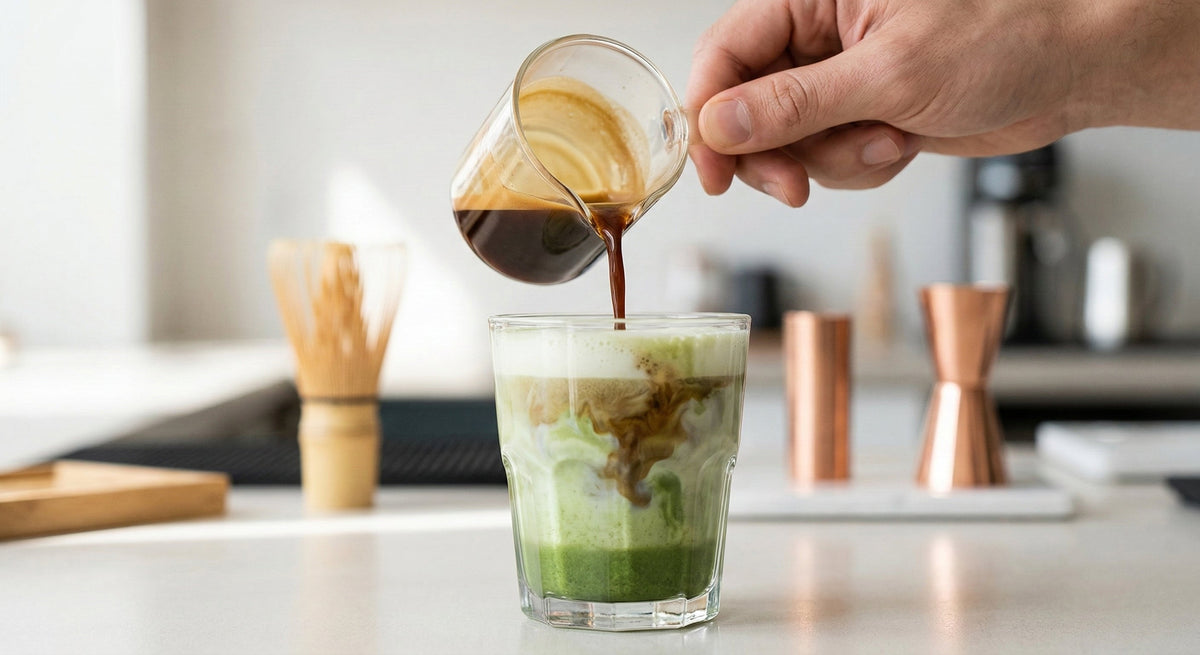
| Matcha Latte | 1–2g | 40–70 mg | Similar caffeine, diluted with milk |
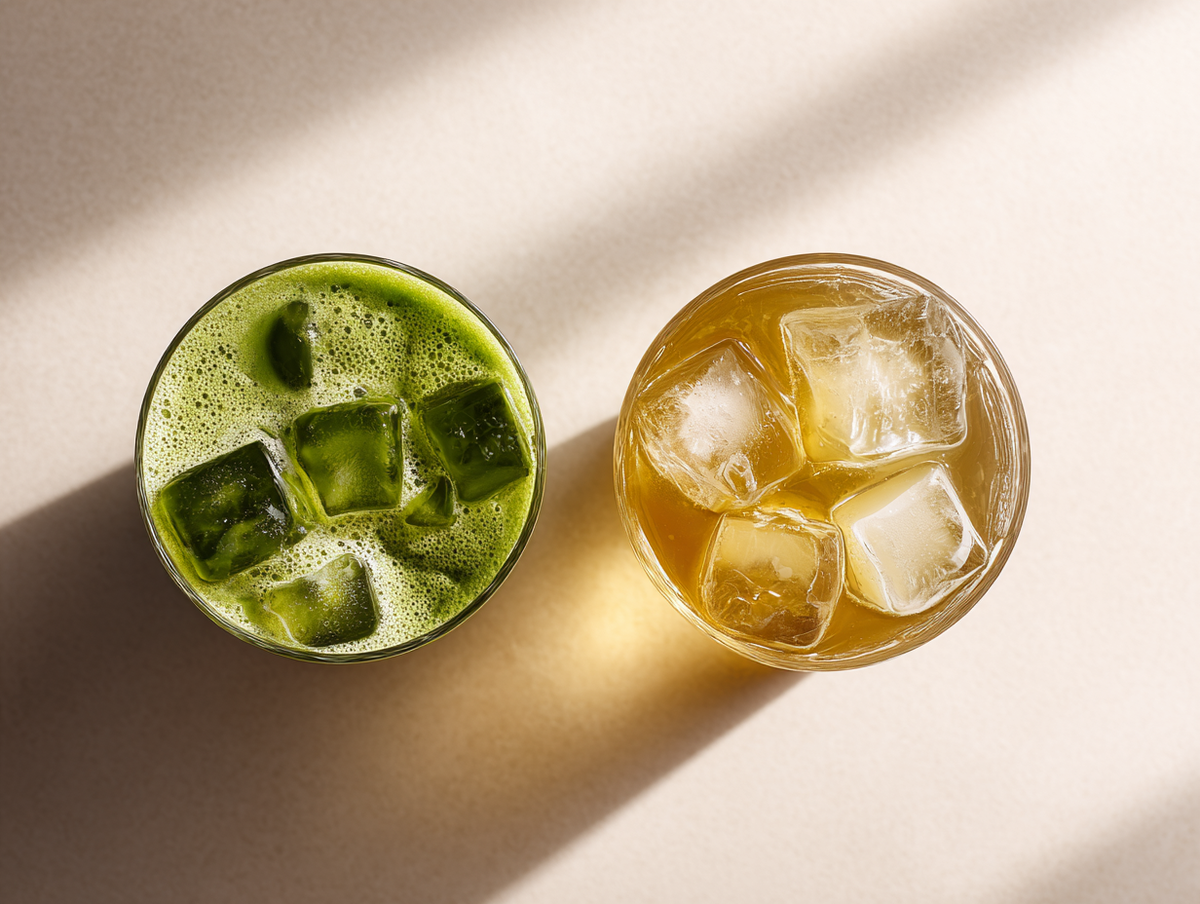
| Iced Matcha | 2g | 60–70 mg | Cold water does not remove caffeine |
| Matcha Shot | 3–4g | 90–140 mg | Concentrated style |
Frequently Asked Questions
Experience Ceremonial Matcha
Discover vibrant, smooth Japanese matcha crafted for a balanced daily ritual.
Shop Nippon MatchaReady to Taste the Difference?
Nippon Matcha is first-harvest, stone-ground ceremonial-grade matcha from Uji, Kyoto. USDA Organic and lab tested for purity. Try it today →
*These statements have not been evaluated by the Food and Drug Administration. This product is not intended to diagnose, treat, cure, or prevent any disease. Consult your healthcare provider before starting any supplement regimen.

Written by Nippon Matcha
%20contains%20approximately%2030%E2%80%9370mg%20of%20caffeine,%20roughly%20half%20to%20two-thirds%20of%20a%20cup%20of%20coffee.%0AMatcha's%20caffeine%20is%20absorbed%20more%20slowly%20t...)