If you've spent any time exploring matcha, you've probably seen "Uji" on labels and wondered — what makes this particular region so important?
The short answer: Uji is to matcha what Champagne is to sparkling wine. It's not just a place — it's the origin of the entire Japanese matcha tradition, and its terroir produces tea that other regions simply can't replicate.
The History: 800+ Years of Tea Mastery
Uji sits in the southern part of Kyoto Prefecture, nestled between the ancient capitals of Kyoto and Nara along the banks of the Uji River. Tea cultivation here dates back to the 13th century, when the Zen monk Eisai brought tea seeds from China and the local climate proved ideal for growing them.
By the 16th century, Uji had become the epicenter of Japanese tea culture. The region's farmers developed the shading techniques (ōishita saibai) that would become the foundation of matcha production. The tea master Sen no Rikyū codified the tea ceremony using Uji matcha, cementing the region's status as Japan's most prestigious tea-growing area.
Today, Uji holds a Geographical Indication (GI) protection from the Japanese government — a designation reserved for products whose quality is intrinsically linked to their place of origin.
The Terroir: Why Uji Tea Tastes Different
Uji's unique geography creates ideal growing conditions for shade-grown tea:
- River fog: The Uji River generates morning mists that naturally diffuse sunlight and moderate temperature extremes, reducing stress on the tea plants.
- Mineral-rich soil: Centuries of river deposits have created deep, well-drained soil rich in the minerals that tea plants convert into amino acids — the compounds responsible for umami flavor.
- Mountain microclimates: The surrounding hills create pockets of cool air that slow leaf growth, allowing more time for flavor compounds to develop.
- Temperature variation: Cool nights and warm days during the growing season stress the plants just enough to concentrate L-theanine and other amino acids in the leaves.
The result is matcha with a depth of umami, natural sweetness, and complexity that flat-terrain farms in other regions struggle to achieve.
First Harvest: The Most Prized Picking
In Uji, the first harvest (ichibancha) typically occurs in late April through May, when the tea plants have accumulated nutrients through the winter dormancy period. These first-flush leaves are:
- The most tender and nutrient-dense of the year
- Highest in L-theanine (the amino acid responsible for calm, focused energy)
- Richest in chlorophyll (from the extended shading period)
- Lowest in catechins that cause bitterness
Later harvests (second, third, even fourth pickings) produce progressively less refined tea — more astringent, less sweet, and lacking the umami depth that defines ceremonial-grade matcha.
The Shading Process
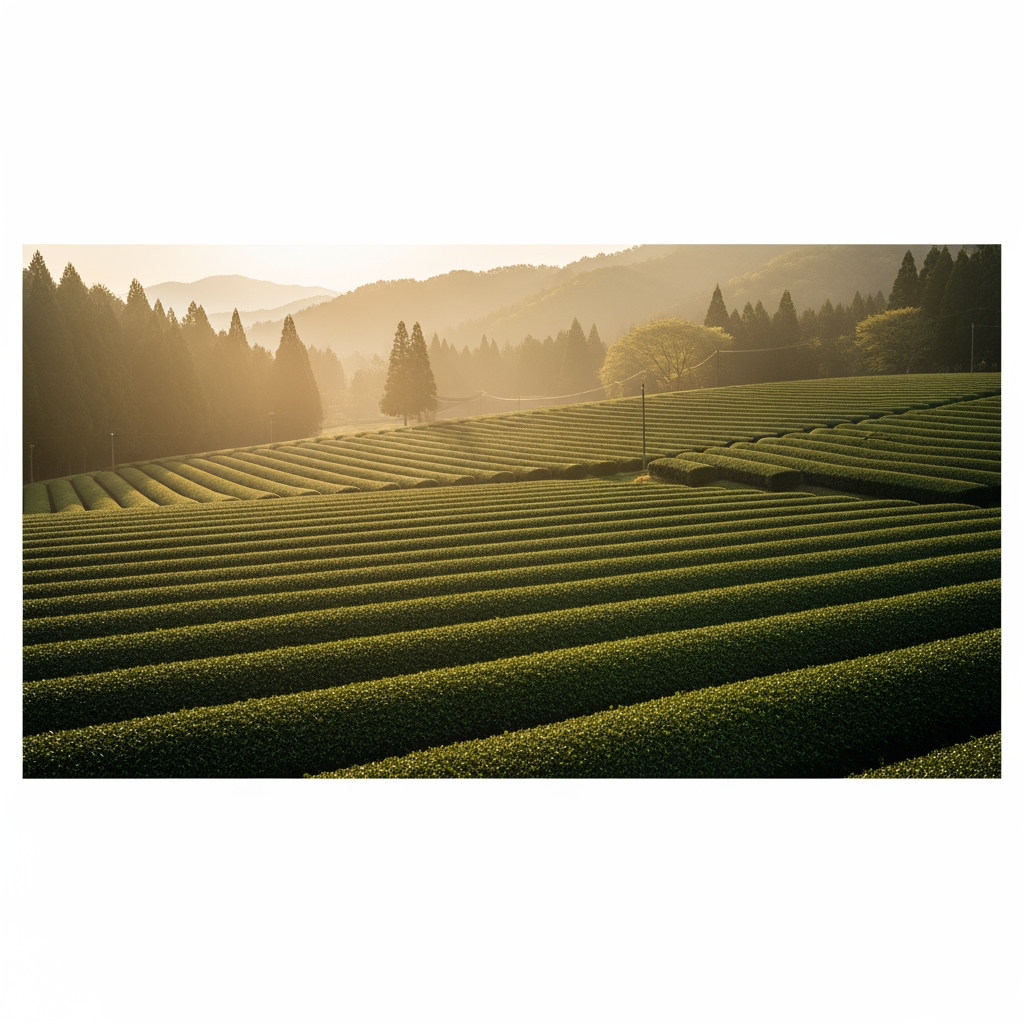
What truly sets Uji matcha apart is the shading technique. For 20–30 days before harvest, tea fields are covered with traditional canopy structures called tana that block 85–90% of sunlight.
This forces the plants to overproduce chlorophyll (chasing the limited light) and prevents the conversion of L-theanine into catechins. The result: leaves that are intensely green, sweet, and rich in umami rather than bitter.
This labor-intensive process is part of why genuine Uji matcha costs more than commodity matcha — and why it tastes fundamentally different.
Stone-Ground on Granite Mills
After harvest, the leaves are steamed, dried, and de-stemmed to produce tencha — the raw material exclusive to matcha production. The tencha is then ground on traditional granite stone mills at approximately 40 grams per hour.
This slow speed is critical: it prevents heat buildup that would oxidize the tea and destroy its delicate flavor compounds, vibrant color, and nutritional profile. Industrial grinding at high speeds produces a visibly duller, less aromatic powder.
How to Identify Authentic Uji Matcha
Not all matcha labeled "from Japan" is from Uji, and not all "Uji matcha" meets the region's traditional quality standards. Here's what to look for:
- Specific origin statement: "Uji, Kyoto" rather than just "Japan" or "Japanese matcha"
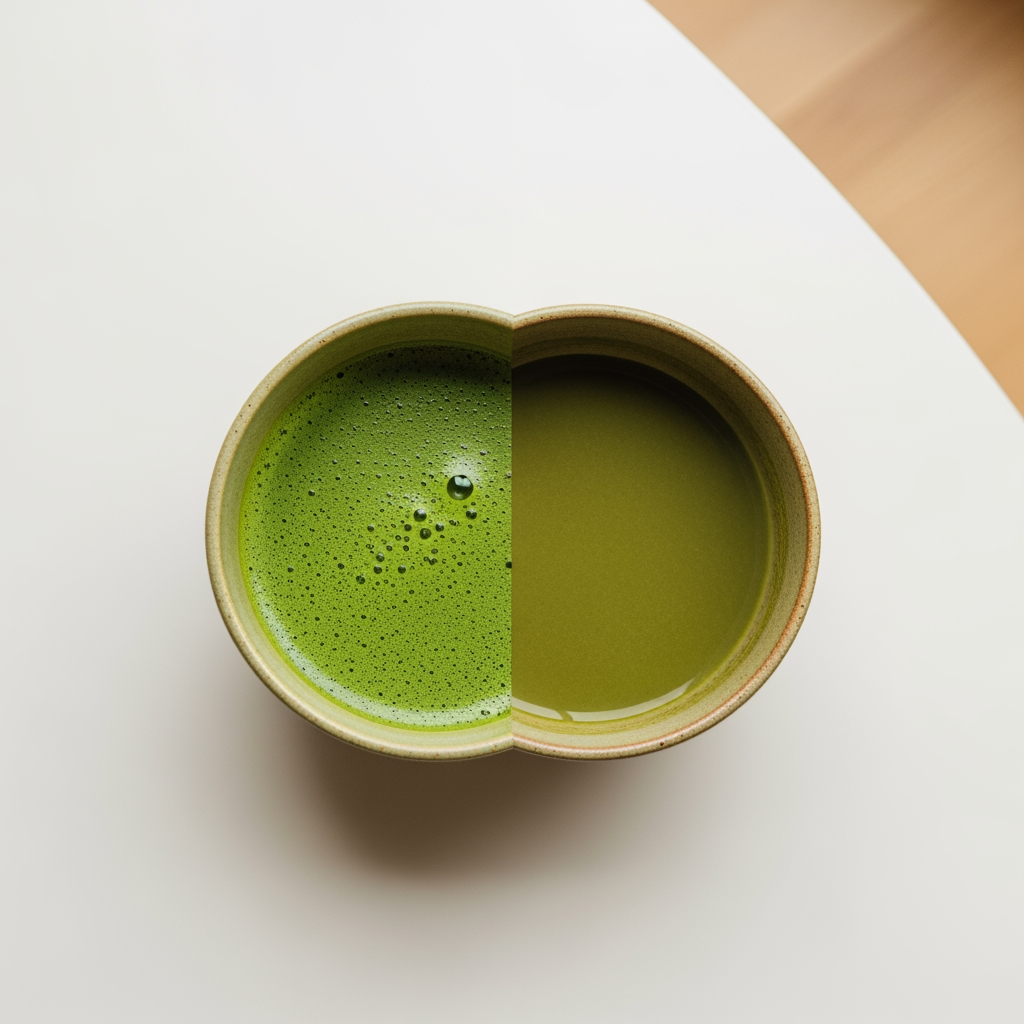
- Vibrant green color: Dull olive or yellow-green indicates lower-grade or older matcha
- First harvest designation: Look for "first harvest" or "ichibancha"
- Stone-ground: As opposed to machine-ground or air-jet milled
- Single-origin: Some brands blend Uji tea with cheaper matcha from other regions
Nippon Matcha: Direct from Uji
At Nippon Matcha, we source exclusively from a single tea estate in Uji, Kyoto. Our matcha is first-harvest, stone-ground, and USDA Certified Organic — with every batch third-party lab tested for purity.
We work directly with the farming family, not through brokers or blending houses. When you open a tin of Nippon Matcha, you're tasting the real thing: 800 years of Uji tea tradition in a single scoop.
Experience Uji Matcha
First-harvest, stone-ground, USDA Organic ceremonial matcha from Uji, Kyoto. Shop Nippon Matcha →