Matcha Chai: Why This Flavor Trend Works
Two of the world’s most beloved tea traditions — Japanese matcha and Indian masala chai — are increasingly being combined across café menus, social media, and home recipes. The result is a layered drink that stands out visually and offers a distinctive balance of flavors.
The Trend: Chai Matcha Is Gaining Momentum
Matcha chai sits at the intersection of two growing consumer preferences: interest in matcha-based drinks and demand for more complex, ingredient-driven beverages.
- Rising interest in matcha: Matcha has expanded beyond traditional tea into lattes, desserts, and functional beverages, with continued global growth.
- Flavor-forward drinks: Consumers are exploring combinations that go beyond single-note beverages, favoring layered profiles and new formats.
- Café experimentation: Independent cafés and larger chains alike are introducing matcha–chai combinations, often as seasonal or signature drinks.
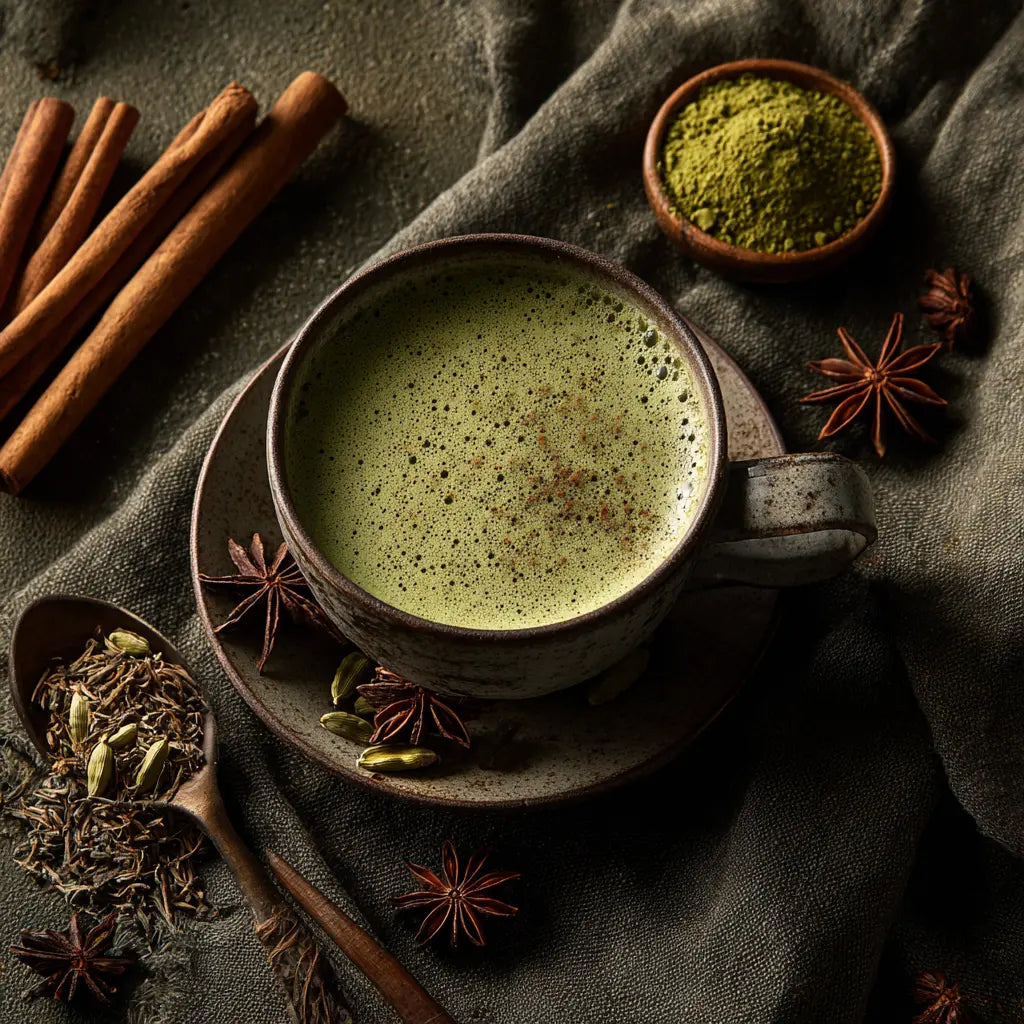
On platforms like TikTok and Instagram, layered matcha chai drinks have gained traction due to their visual contrast — vibrant green matcha over amber spiced chai — as well as their customizable format.
The Flavor Profile: Why It Works
Matcha and chai come from very different traditions, but their flavor profiles complement each other in a balanced way:
| Matcha Characteristics | Chai Characteristics |
|---|---|
| Earthy, vegetal notes | Warm spice profile |
| Creamy body when whisked | Complexity from cardamom, cinnamon, clove |
| Mild natural sweetness | Subtle heat from ginger and pepper |
| Smooth finish | Aromatic intensity |
Spices in chai — particularly cardamom and cinnamon — can help soften matcha’s more vegetal notes, while matcha contributes depth and body to the overall drink.
The result is not just a novelty, but a layered flavor combination that works both hot and iced.
The Nutritional Context
Both matcha and chai contain naturally occurring compounds that are often discussed in nutrition research. However, it’s important to view them as part of a balanced diet rather than as functional or therapeutic products.
Caffeine and L-theanine
Matcha contains caffeine alongside L-theanine, an amino acid studied for its relationship with relaxation and attention. Black tea in chai also contains caffeine, though typically in lower amounts per serving.
Combined, a matcha chai drink may provide a moderate level of caffeine, depending on preparation and serving size. Individual responses to caffeine vary.
Polyphenols
Matcha contains catechins such as EGCG, while chai spices such as cinnamon, cloves, and cardamom contain their own polyphenols. Because matcha is consumed as a powdered tea, it can provide more tea solids per serving than steeped tea.
The exact composition varies widely depending on ingredient quality, preparation method, and portion size.
Digestive Traditions
Spices commonly used in chai, such as ginger and cardamom, have long histories in traditional culinary systems. While often associated with digestion in cultural practices, their effects can vary between individuals.
The Cultural Appeal
Matcha chai reflects a broader trend of blending traditional ingredients in new ways. It brings together Japanese tea practices and Indian spiced tea traditions into a format that fits modern café culture.
For many people, preparing or ordering a drink like this is not just about flavor — it’s also about the experience, from whisking matcha to steeping spices and layering the final drink.
Why Matcha Quality Matters
The type of matcha used can significantly affect the final result.
Lower-grade matcha tends to be more bitter, which can compete with chai spices. In contrast, smoother, higher-quality matcha is more balanced and integrates more easily into the drink.
If you’re preparing matcha chai at home, using a matcha that is suitable for drinking (rather than baking) can help create a more rounded flavor profile.
The Bottom Line
Matcha chai is a natural evolution in tea culture — combining two established traditions into a modern format that emphasizes both flavor and experience.
While trends will continue to evolve, this pairing stands out because it offers a balanced profile that appeals to both matcha and chai drinkers.
Whether you’re exploring it at a café or making it at home, the quality of ingredients and preparation method will shape the final experience.
This article is for informational purposes only. Matcha and chai are food and beverage products and are not intended to diagnose, treat, cure, or prevent any disease. Individual experiences may vary.

Written by Nippon Matcha