Matcha Affogato: Espresso Meets Japanese Matcha
The affogato is one of Italy's simplest desserts—espresso poured over vanilla ice cream—but its elegance lies in the contrast: hot and cold, bitter and sweet, crisp and creamy. What if you added a Japanese twist?
A matcha affogato swaps tradition for something that works equally well. Instead of (or in addition to) espresso, you pour hot water whisked with matcha powder over ice cream. The matcha blooms into creamy streaks, the ice cream softens into the tea, and you're left with a drink that tastes somewhere between a latte and a spoon-able dessert.
It's not a health drink. It's a five-minute indulgence that happens to be more interesting than either component alone.
Key Takeaways
- A matcha affogato combines whisked matcha and hot water over ice cream for a creamy, layered dessert-drink hybrid
- The technique is identical to a traditional affogato—speed and temperature contrast create the magic
- You don't need a frother, espresso machine, or special equipment; a small whisk and a kettle are enough
- Pair it with creamy vanilla ice cream or experiment with green tea, salted, or miso-flavored varieties
What You Need
Ingredients (serves 1):
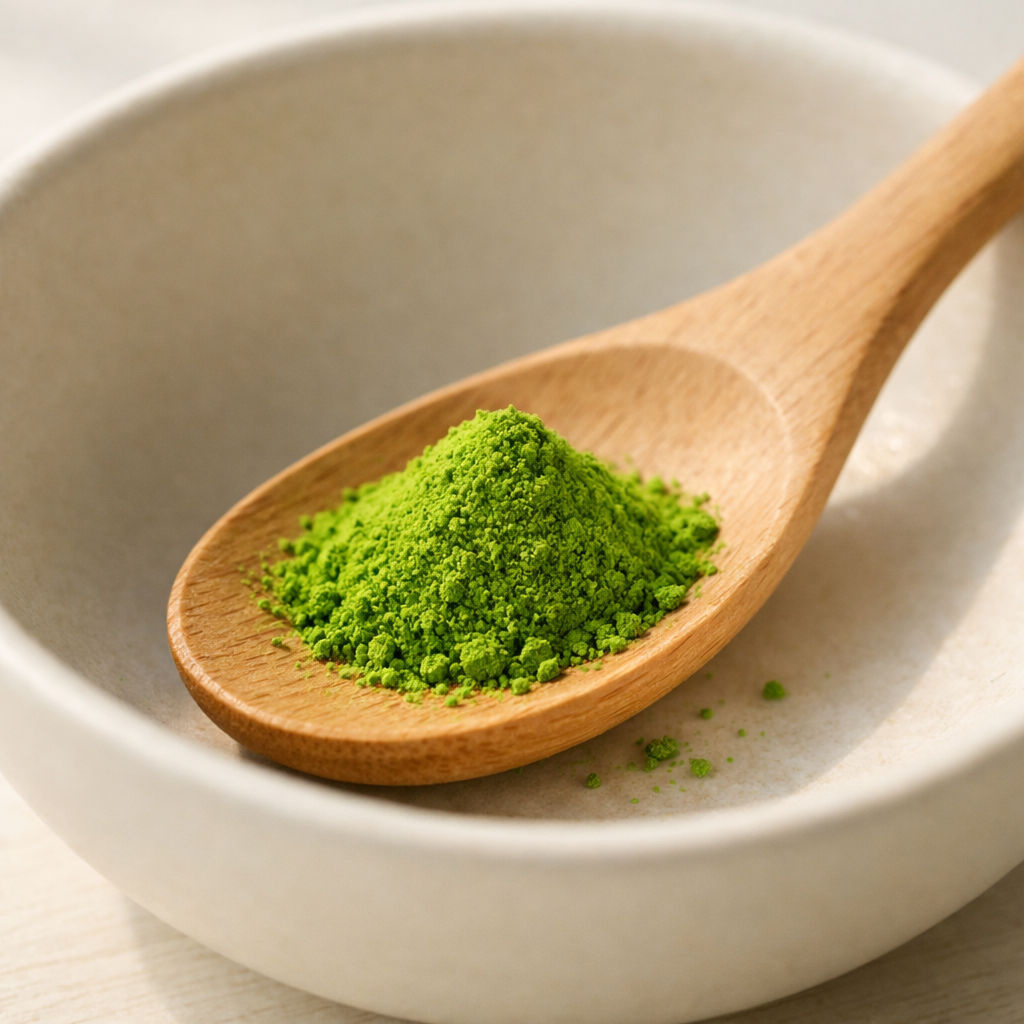
- 1 to 1.5 grams matcha powder (roughly ½ teaspoon) — ceremonial or culinary grade both work
- 3 to 4 oz hot water (just off boil, around 160–180°F / 70–80°C)
- 3 to 4 scoops vanilla ice cream (or your preferred flavor)
- Optional: sweetener (honey, agave, or simple syrup) — 1 teaspoon
- Optional: pinch of sea salt
Equipment:
- Small ceramic or metal bowl
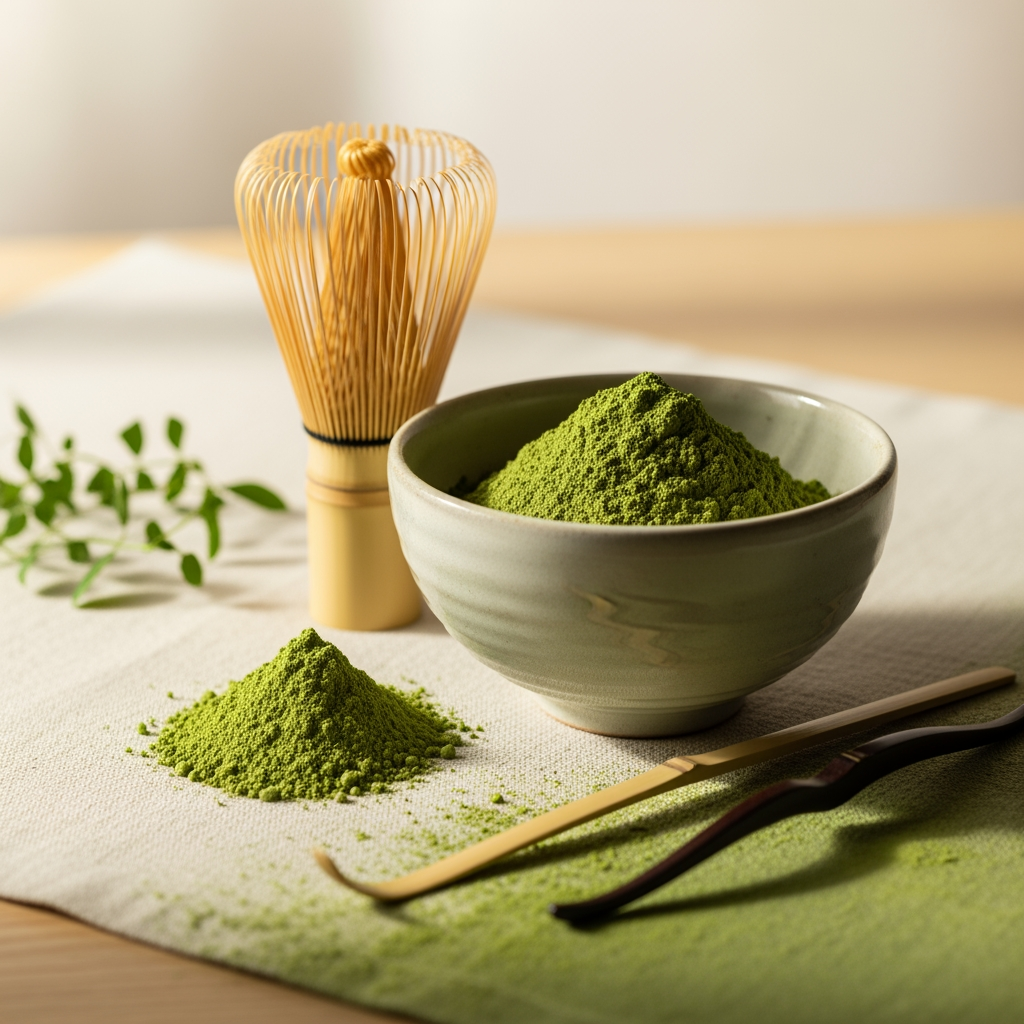
- Bamboo whisk (chasen) or small wire whisk
- Kettle or small saucepan
- Tall glass or dessert bowl
The Technique
Step 1: Chill your glass
Pour a little cold water into your serving glass while you prep everything else. This keeps the affogato cold longer once assembled. Discard the water just before pouring.
Step 2: Whisk the matcha
Place your matcha powder in a small bowl. Pour a few drops of hot water (slightly cooler than your main batch, around 150°F / 65°C) and whisk in small, rapid circles to dissolve any lumps. You should see a smooth, slightly frothy paste within 30 seconds.
Once smooth, slowly add the remaining hot water while whisking continuously. The mixture should be creamy, bright green, and lightly foamy on top—closer to a thin soup than a tea. If you have whisking experience, aim for a consistent foam similar to the surface of a traditional matcha bowl.
Step 3: Scoop and pour
Place your ice cream scoops into the chilled glass. Work quickly so the ice cream doesn't melt before the matcha meets it.
Pour the hot matcha directly over the ice cream in one slow, continuous stream. You'll see the matcha bloom around the cold scoops, creating pale green and white streaks as the ice cream melts into the tea.
Step 4: Serve immediately
The affogato is best enjoyed within the first minute—while the contrast between hot and cold is sharpest and the ice cream is still mostly intact.
Why This Works (The Matcha Angle)
The reason a matcha affogato feels more cohesive than you'd expect: matcha's natural bitterness pairs beautifully with sweet vanilla ice cream, and the creamy texture of melting ice cream mimics the mouthfeel of a properly whisked bowl of matcha. You're not fighting different flavor profiles—they complete each other.
Matcha contains about 26–50 mg of caffeine per gram (so roughly 26–75 mg in a standard affogato, depending on how much powder you use). If you're sensitive to caffeine, use 0.5–0.75 grams of matcha instead of 1–1.5 grams, or make this as an afternoon treat rather than a post-dinner dessert.
The L-theanine in matcha may promote a sense of calm focus when combined with caffeine—though in an affogato, you're here for the flavor and texture experience, not the nootropic angle. Any focus benefit is a bonus, not the point.
Variations & Pairings
Keep it simple: Vanilla ice cream is the traditional pairing and the best starting point.
Go creamy: Try a matcha affogato with a scoop of salted caramel, brown butter, or miso ice cream. The richness absorbs the matcha's slight astringency beautifully.
Hybrid approach: Add a shot of espresso (or cold brew concentrate) to your whisked matcha before pouring. You now have the best of both worlds—an espresso-matcha affogato. Japanese kissaten (traditional tea houses) sometimes serve a similar hybrid.
Sweeten it: If matcha tastes too vegetal on its own, add a teaspoon of honey, agave, or simple syrup to the whisked matcha. The sweetness mellows the bitterness without overwhelming the flavor.
Texture play: Whisk the matcha a bit longer to create a thicker foam, like a piccolo latte. You'll get more foam on top, a silkier mouth-feel, and a slightly sweeter taste (more air = less intense matcha flavor per sip).
Timing & Temperature (The Practical Bit)
- Water temperature matters. If it's too hot (over 185°F / 85°C), the matcha can taste slightly burnt. Too cool (under 140°F / 60°C), and it won't dissolve smoothly. Aim for the sweet spot: 160–175°F / 70–80°C. If you don't have a thermometer, let water sit for 1–2 minutes after boiling.
- Speed is everything. The affogato is best in the first 60 seconds, before the ice cream fully melts and the temperature equalizes. This is not a drink to nurse slowly.
- Portion control. Three to four scoops of ice cream gives you the right ratio of solid to liquid. Too little ice cream, and you're drinking matcha tea. Too much, and the matcha cools too quickly.
A Last Note on Ceremonial vs. Culinary Matcha
You don't need to splurge on ceremonial-grade matcha for an affogato—culinary-grade works perfectly well. The ice cream's sweetness masks the slightly earthier, more vegetal flavor of culinary matcha. Reserve ceremonial grade for drinking matcha straight, where its delicate flavor shines. (That said, if you have ceremonial matcha on hand, use it—why not?)
These statements have not been evaluated by the FDA. This product is not intended to diagnose, treat, cure, or prevent any disease.

Written by Nippon Matcha