The Matcha Paradox: Is Your "Healthy" Latte Hiding a Sugar Bomb?
Published by Nippon Matcha
TL;DR: Pure matcha is naturally sugar-free and rich in antioxidants, but many commercial matcha lattes contain large amounts of added sugar. If you want the real benefits of matcha, choose unsweetened matcha and be cautious with café versions that may contain syrups, pre-sweetened powders, or hidden additives.
Quick Answer: Is Matcha Healthy or Just Marketed as Healthy?
Pure matcha can be a healthy beverage because it contains antioxidants, naturally occurring caffeine, and L-theanine. However, many commercial matcha drinks are heavily sweetened, which can reduce or even outweigh the benefits people associate with matcha. The healthiest version is unsweetened, high-quality matcha prepared simply.
Matcha has become one of the most talked-about wellness drinks in recent years, often promoted as a cleaner, healthier alternative to coffee. But not every drink labeled “matcha” reflects the same nutritional value. Many café-style matcha drinks contain far more sugar than people realize, creating a large gap between pure matcha and what is often sold under the same name.
What Makes Pure Matcha Different?
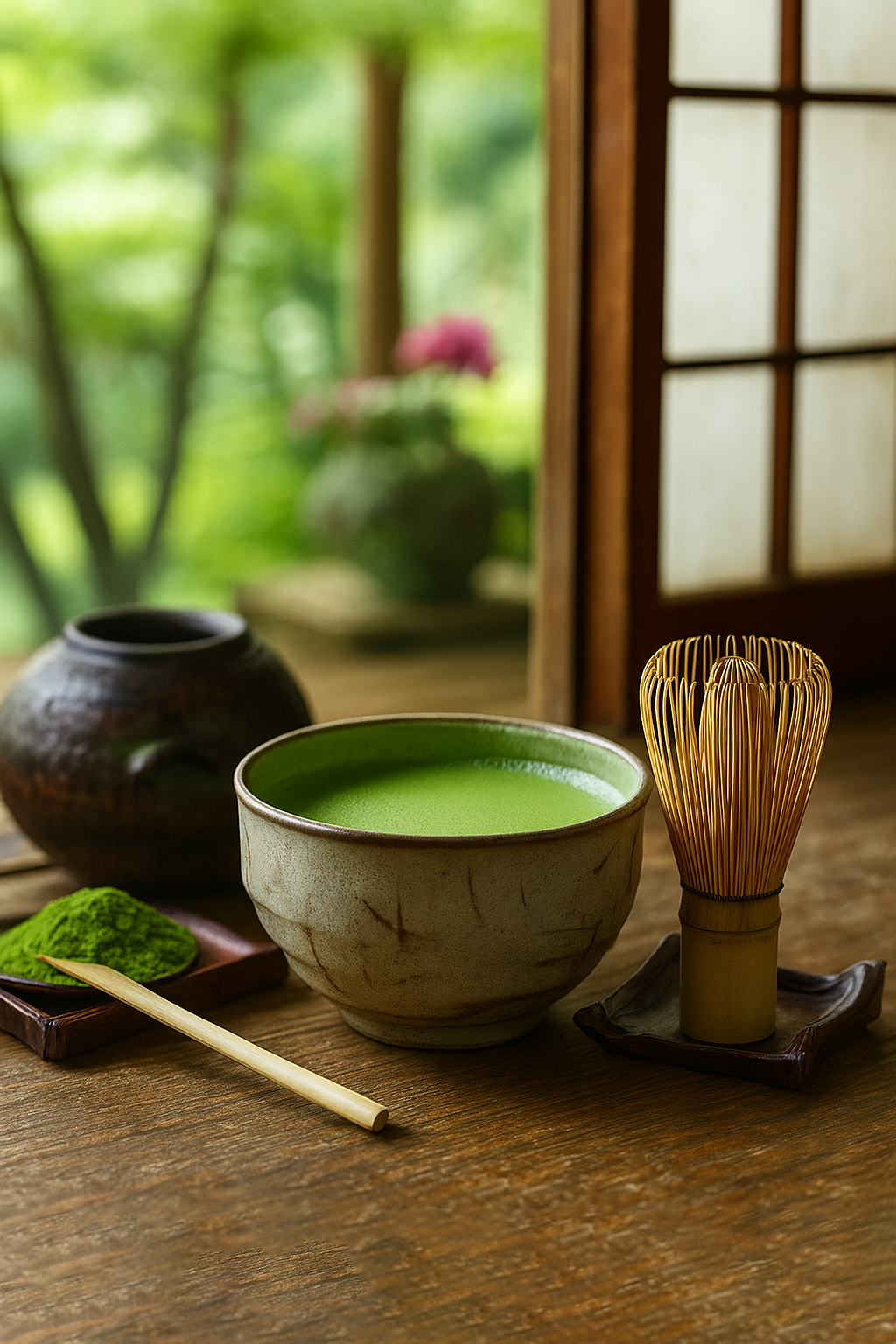
True matcha is made from specially grown green tea leaves that are shade-grown, harvested, dried, and stone-ground into a fine powder. Because you consume the whole leaf rather than steeping and discarding it, matcha delivers a more concentrated nutritional profile than standard green tea.
1. Antioxidant Content
Pure matcha is known for its high concentration of antioxidants, including catechins such as EGCG. These compounds are often associated with protection against oxidative stress and cell damage. Because matcha uses the whole leaf, it is often described as more concentrated than regular brewed green tea.
2. Calm, Steady Focus
Matcha contains caffeine along with L-theanine, a naturally occurring amino acid in tea. This combination is one reason many people describe matcha as providing a smoother, calmer type of alertness compared with coffee.
3. A Simpler Nutritional Profile
Pure matcha powder itself contains no added sugar. When consumed in a simple preparation, it can be part of a more balanced daily ritual without the excess sweetness often found in café beverages.
Why Some Matcha Lattes Are Not as Healthy as They Seem
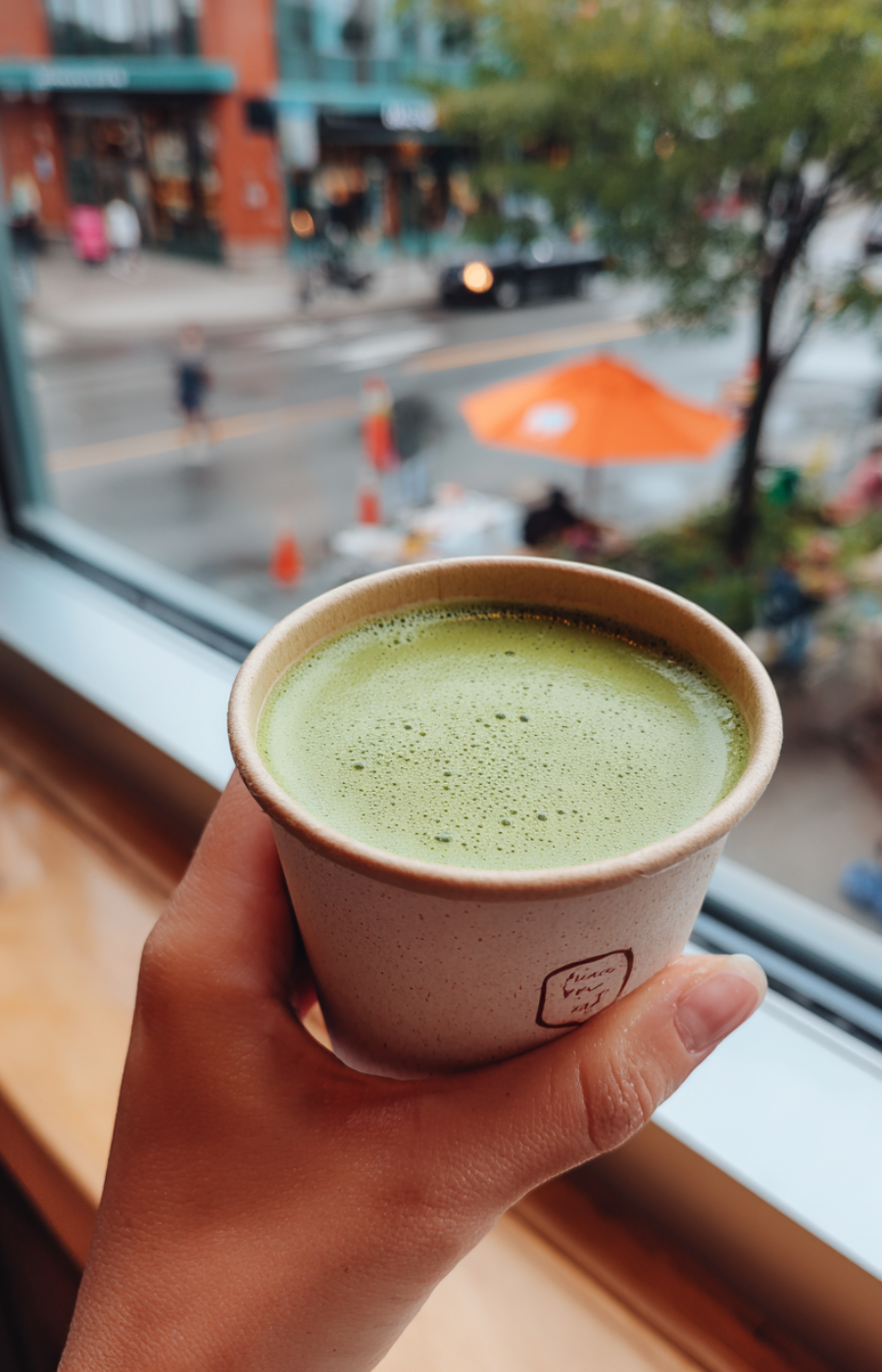
Although pure matcha is naturally sugar-free, many commercial matcha lattes include pre-sweetened powders, flavored syrups, and added sugars. This creates a major nutritional difference between pure matcha and a café drink made with matcha-flavored ingredients.
In many cases, consumers assume they are drinking something close to pure matcha when they order a matcha latte, but the actual drink may contain far more sugar than the matcha itself.
What Gets Added?
- pre-sweetened matcha blends
- vanilla or flavored syrups
- sweetened milk bases
- artificial colors or flavoring agents
This means the health reputation of matcha can create a “health halo,” where people assume the drink is nutritious even when the full ingredient list tells a different story.
Pure Matcha vs Commercial Matcha Latte
| Product | Pure Matcha Powder (1–4g) | Commercial Matcha Latte (16 oz café-style) |
|---|---|---|
| Calories | Very low | Much higher |
| Added sugar | 0g | Often high |
| Main ingredients | Pure matcha only | Milk, sweeteners, syrups, or pre-sweetened powder |
| Flavor profile | Earthy, smooth, vegetal | Sweeter, dessert-like |
| Health perception | Closer to true matcha benefits | Often benefits diluted by sugar content |
The Health Halo Problem
Matcha has gained popularity because of its reputation as a superfood. Terms like “antioxidant-rich,” “clean energy,” “focus,” and “detox” are often used in marketing and social media content. While those associations are often based on real qualities of pure matcha, the same language is frequently used for drinks that contain large amounts of sugar.
This can mislead consumers into believing a sweetened commercial matcha latte offers the same benefits as unsweetened pure matcha prepared at home.
Why Too Much Sugar Changes the Picture
Excess added sugar can affect the overall nutritional value of a drink. High sugar intake is commonly associated with issues such as:
- blood sugar spikes
- increased calorie intake
- higher long-term risk of metabolic health concerns
- energy crashes after sweetened drinks
That is why the difference between pure matcha and sugary matcha drinks matters. The matcha itself may still contain beneficial compounds, but the drink as a whole may no longer fit the “healthy beverage” image people expect.
How to Spot Better-Quality Matcha
Color
Look for a vibrant, bright green color rather than a dull yellow-green or brown tone.
Texture
Good matcha should be very fine and silky, not gritty.
Aroma
It should smell fresh, grassy, and slightly sweet rather than stale or flat.
Taste
High-quality matcha usually tastes smooth, balanced, and umami-forward with minimal bitterness.
Origin
Look for matcha sourced from recognized Japanese tea regions such as Uji.
Packaging
Choose matcha sold in airtight, light-protective packaging to preserve freshness.
How to Make a Healthier Matcha at Home
The easiest way to avoid excess sugar is to make matcha yourself at home using pure, unsweetened matcha powder.
What You Need
- 1 to 2 teaspoons pure unsweetened matcha powder
- warm water (not boiling)
- unsweetened milk of choice
- optional small amount of sweetener, if desired
How to Make It
- Sift the matcha powder into a bowl or cup.
- Add warm water.
- Whisk until smooth and frothy.
- Add milk if you want a latte-style drink.
- Sweeten lightly only if needed.
If you prefer some sweetness, start with a very small amount of honey, maple syrup, stevia, or monk fruit rather than relying on heavily sweetened café mixes.
How to Enjoy Matcha Without the Sugar Trap
If you want the actual benefits associated with matcha, the simplest approach is usually the best:
- choose unsweetened matcha powder
- check ingredient lists carefully
- avoid pre-sweetened café blends when possible
- make your own matcha latte at home
That way, you are drinking matcha for what it actually is, not for what branding and sugar-heavy recipes make it seem to be.
Frequently Asked Questions
Is pure matcha healthy?
Pure matcha can be part of a healthy routine because it contains antioxidants, caffeine, and L-theanine, and it has no added sugar on its own.
Why are café matcha lattes often high in sugar?
Many commercial matcha lattes use pre-sweetened matcha powders, syrups, or sweetened milk bases, which can add significant sugar to the final drink.
Does sugar cancel out matcha benefits?
Sugar does not remove matcha’s compounds, but a high-sugar drink can change the overall nutritional impact and reduce the “healthy beverage” effect people are looking for.
How can I make matcha healthier?
Use pure unsweetened matcha powder, avoid sweetened café blends, and add only a small amount of sweetener if needed.
How do I know if my matcha is high quality?
Look for vibrant green color, fine texture, fresh aroma, good origin transparency, and proper airtight packaging.
Published by Nippon Matcha. Explore authentic matcha with clean, simple ingredients at nipponmatcha.com.

Written by Nippon Matcha