How to Source Premium Matcha
Key Takeaways
- Direct relationships with Japanese tea farms provide the most transparent and reliable access to premium matcha quality.
- Key sourcing indicators include single-origin designation, specific harvest dates, named cultivars, and stone-milling verification.
- Beware of "Japanese matcha" labels that don't specify region — some products blend Chinese-grown tea with minimal Japanese content.
- Premium matcha should have a vibrant, bright green color — dull or yellowish matcha indicates inferior quality or oxidation.
The Complete Buyer’s Handbook for Authentic Japanese Tea
Authentic premium matcha should clearly state its Japanese origin, match the intended grade for how you plan to use it, and show quality markers such as vibrant green color, ultra-fine texture, and proper packaging. Ceremonial-grade matcha typically costs $30–$60 per 30g and is best for traditional preparation.
Quick Answer: How Do You Identify High-Quality Matcha?
High-quality matcha should come from Japan and specify a growing region such as Uji, Nishio, Kagoshima, or Shizuoka. Premium matcha has a vibrant emerald-green color, a very fine powder texture, and a smooth flavor when whisked. Authentic ceremonial-grade matcha is typically stone-milled and sold in sealed, light-resistant containers to preserve freshness.
Sourcing authentic, premium-grade matcha requires distinguishing between ceremonial and culinary varieties, verifying Japanese provenance, and recognizing key quality markers. As matcha becomes more popular worldwide, many lower-quality or misleadingly labeled products have entered the market. Understanding what to look for helps ensure you purchase authentic matcha with the flavor, freshness, and quality expected from Japanese tea.
Successfully acquiring quality matcha depends on three essential elements: confirmed Japanese origin, correct grade classification, and visible quality indicators such as vibrant color, fine powder texture, and proper packaging.
Understanding Premium Matcha Standards
Ceremonial vs Culinary Matcha
Ceremonial-grade matcha is typically made from younger, shade-grown tea leaves and is intended for traditional whisked tea preparation. It usually has a smoother, naturally sweeter flavor with minimal bitterness, making it ideal for drinking on its own.
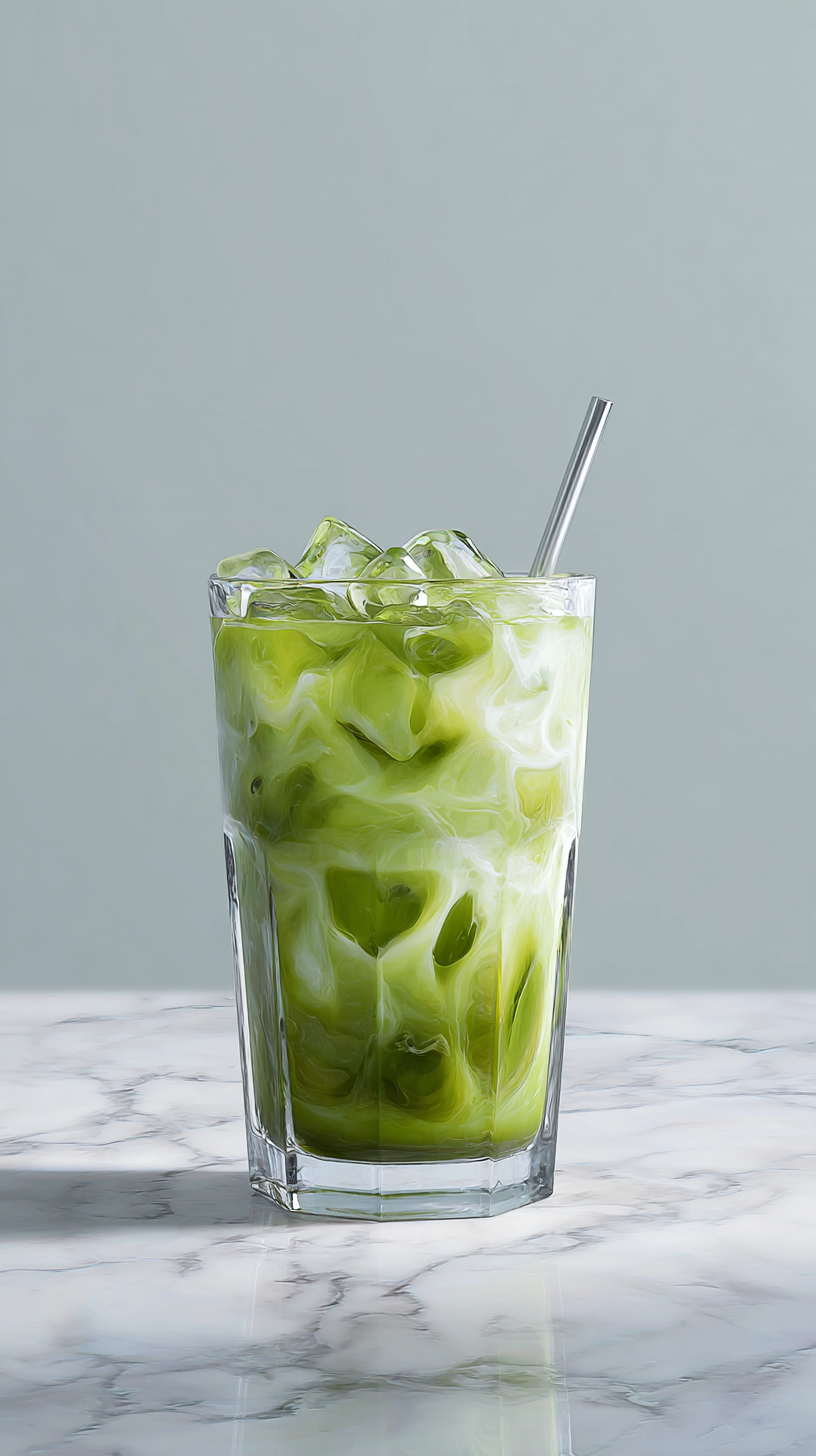
Culinary-grade matcha is made from slightly more mature tea leaves and is commonly used for lattes, smoothies, baking, and cooking. While it is usually more affordable than ceremonial-grade matcha, it often has a stronger flavor that pairs well with other ingredients.
Geographic Origin Matters
Authentic Japanese matcha is commonly sourced from respected tea-growing regions such as Uji in Kyoto, Nishio in Aichi, Kagoshima, and Shizuoka. These regions have long traditions of tea cultivation and produce matcha with distinct flavor characteristics influenced by climate, soil, and processing techniques.
How to Evaluate Matcha Quality
Color and Texture
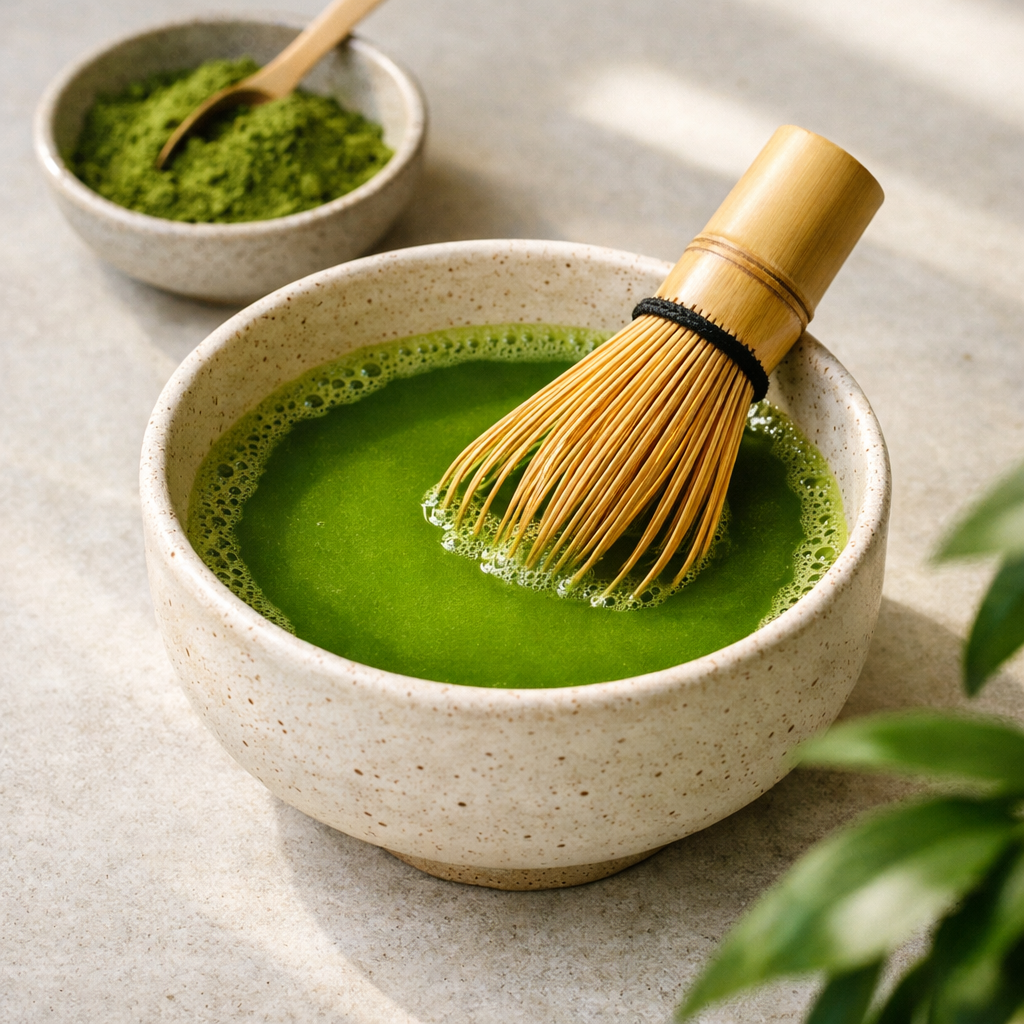
Premium matcha should display a vibrant emerald-green color rather than a dull, yellowish, or brown tone. The powder should be extremely fine and silky to the touch rather than gritty or coarse. When whisked properly, high-quality matcha typically produces a smooth layer of fine foam and a creamy mouthfeel.
Packaging and Freshness
High-quality matcha is typically packaged in sealed, light-resistant containers that protect the powder from air, heat, and light exposure. Reliable products often provide information about origin, harvest timing, and storage instructions. Proper packaging helps maintain freshness because matcha is highly sensitive to oxidation.
Price Expectations
Ceremonial-grade matcha commonly ranges from $30 to $60 per 30g (about 1 ounce). Exceptional single-origin matcha may cost more depending on harvest and production methods. Culinary-grade matcha generally ranges between $15 and $30 per 30g. Prices significantly below these ranges may indicate lower quality or older stock.
Reliable Ways to Buy Matcha Online
Brands with Transparent Sourcing
Choose brands that clearly explain where their matcha is grown, how it is processed, and how it should be stored. Transparent sourcing information helps ensure authenticity and freshness.
Specialty Tea Retailers
Specialty tea merchants often provide detailed descriptions, origin information, and preparation guidance. These details can help buyers understand the differences between matcha grades and choose products suited to their needs.
Wellness and Functional Beverage Brands
Some companies offer matcha as part of wellness-focused product lines. When evaluating these products, prioritize clear origin information, realistic claims, and proper packaging over exaggerated health marketing.
Warning Signs When Buying Matcha
Unusually Low Prices
Matcha sold at extremely low prices, particularly when labeled as ceremonial grade, may indicate lower-quality leaves, older powder, or misleading labeling. Authentic ceremonial-grade matcha requires labor-intensive cultivation and processing.
Unclear Origin Information
Products that simply list “Japan” without specifying a region may lack transparency. High-quality matcha typically includes more detailed sourcing information.
Exaggerated Health Claims
Avoid products that promise unrealistic health benefits. Trustworthy matcha brands usually focus on origin, quality, preparation, and flavor rather than dramatic marketing claims.
Proper Matcha Storage
Store matcha in an airtight container away from light, heat, and moisture. Refrigeration can help preserve freshness after opening, but allow the container to return to room temperature before opening to prevent condensation from affecting the powder.
Traditional Matcha Preparation
Traditional matcha preparation involves whisking 1–2 grams of powder with 2–3 ounces of water heated to about 165–175°F using a bamboo whisk. This technique creates a smooth, frothy bowl of matcha while preserving its delicate flavor profile.
Making Informed Matcha Purchasing Decisions
Choosing premium matcha comes down to understanding how you plan to use it, verifying Japanese origin, evaluating color and texture, and buying from sources that provide transparent product information. Ceremonial-grade matcha is generally best for traditional preparation, while culinary-grade matcha works well in lattes and recipes.
The difference between high-quality matcha and lower-grade alternatives is usually noticeable in color, aroma, texture, and taste. Although premium matcha costs more, many tea enthusiasts find the improved flavor and overall experience worth the investment.
Frequently Asked Questions
How do ceremonial and culinary matcha differ?
Ceremonial matcha is typically made from younger shade-grown tea leaves and is intended for traditional whisked tea. Culinary matcha is made from slightly more mature leaves and is commonly used for lattes, smoothies, and baking because it has a stronger flavor.
What identifies authentic Japanese matcha?
Authentic matcha usually specifies a Japanese growing region such as Uji, Nishio, Kagoshima, or Shizuoka. It should have vibrant green color, ultra-fine powder texture, and proper sealed packaging.
What price should I expect for quality matcha?
Ceremonial-grade matcha typically costs $30–$60 per 30g container, while culinary matcha generally ranges from $15–$30 depending on quality and origin.
How long does matcha stay fresh?
Unopened matcha can stay fresh for about 12 months when stored properly. After opening, it is best consumed within several months to maintain flavor and color.
Disclaimer: This article is for informational purposes only and does not constitute medical advice.
Published by Nippon Matcha. Learn more about our authentic Japanese matcha sourcing at nipponmatcha.com.
Ready to Taste the Difference?
Nippon Matcha is first-harvest, stone-ground ceremonial-grade matcha from Uji, Kyoto. USDA Organic and lab tested for purity. Try it today →
*These statements have not been evaluated by the Food and Drug Administration. This product is not intended to diagnose, treat, cure, or prevent any disease. Consult your healthcare provider before starting any supplement regimen.

Written by Nippon Matcha